
How Can AI Shape Education? A Masterclass for Teachers on the International Day of Education
Introduction
The landscape of teaching and learning is undergoing profound changes, fueled by the rapid rise of artificial intelligence (AI). As educators around the world recognize the International Day of Education, it is crucial to examine how AI can—and should—shape the future of education. From reimagining the purpose of schooling to harnessing technology for personalized learning, today’s classrooms find themselves at a crossroads. This masterclass provides educators with research-backed insights and pragmatic strategies to navigate AI’s emerging role while safeguarding what matters most in human development.
1. AI’s Impact: Rethinking the Purpose of Education
For generations, the primary metrics of educational success have been grades, standardized testing, and eventual job placement. However, the traditional system is facing a crisis. Recent years have seen a dramatic decrease in reading engagement and a decline in the proportion of students achieving grade-level literacy. The pandemic intensified these struggles, calling into question the very core of educational objectives.
- AI can now complete tasks once reserved for students, such as summarizing books, writing essays, and solving math problems—often faster and more efficiently.
- This shift raises existential questions for schools and teachers: When knowledge transmission is automated, what remains uniquely human and irreplaceable in education?
- Experts emphasize a renewed focus on fostering motivation, engagement, and the flexible competencies students need to navigate an uncertain world. Learning to live with others, to know oneself, and to adapt creatively are skills that transcend rote knowledge.
2. Engagement, Modes of Learning, and the Double-Edged Sword of AI
Research shows that only about a third of students are deeply engaged in their learning. AI’s arrival raises both challenges and opportunities for enhancing engagement:
- AI tools can be misused as shortcuts, allowing students to coast through assignments (“passenger mode”) without developing critical thinking or problem-solving skills.
- However, when thoughtfully integrated, AI can empower motivated students to explore deeper learning—using technology for research, brainstorming, or copy-editing, while still requiring them to engage with content and think critically.
After extensive research, educators have identified four modes of student engagement:
- Passenger: Coasting, completing minimal work, often using AI to bypass deeper learning.
- Achiever: Focused on perfect outcomes, sometimes leveraging AI constructively.
- Resistor: Avoiding or disrupting learning tasks, potentially using AI as an avoidance tool.
- Explorer: Intrinsically motivated, proactively digging into topics and using AI to extend their curiosity.
With AI’s capacity for personalization, there is potential for every child to become an Explorer. The key is in orchestrating learning experiences that spark curiosity and empower agency, rather than enabling disengagement.
3. The Teacher’s Role in an AI-Augmented Classroom
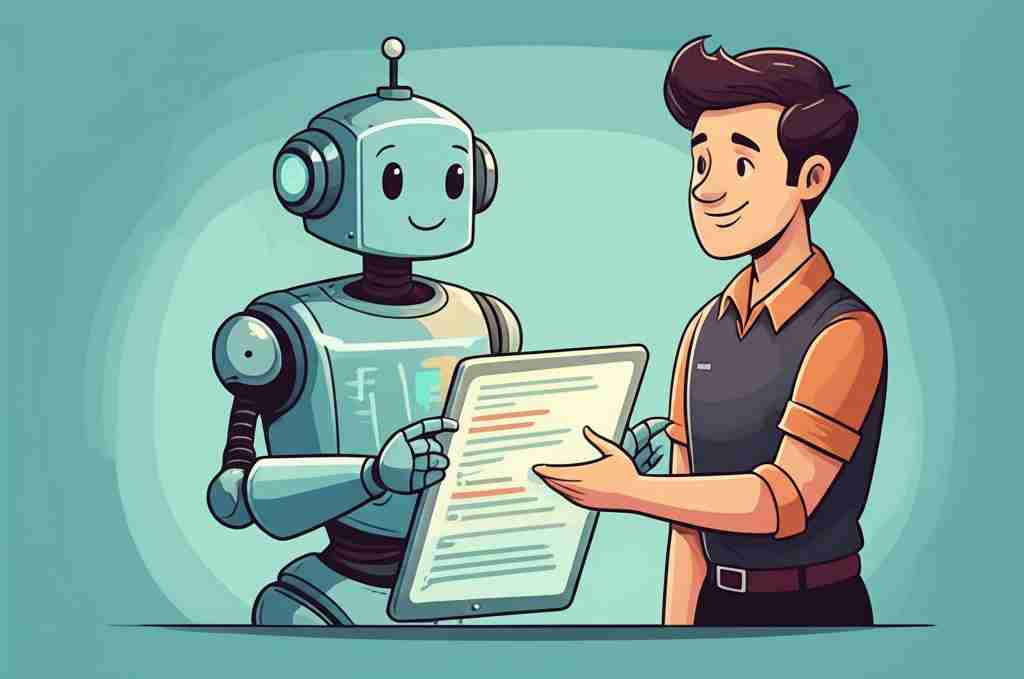
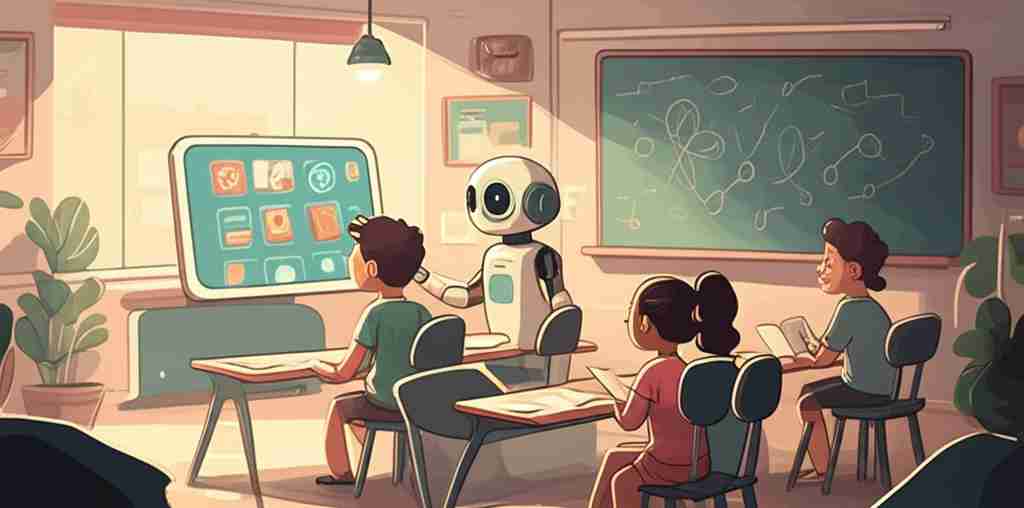
AI is not a replacement for human educators, but rather a powerful tool that can transform and support the teaching profession. Rather than automating everything, effective AI integration calls for:
- Allowing AI to handle personalized tutoring for skill development and knowledge acquisition—especially helpful for students at different levels or with special needs.
- Liberating teachers to focus on their irreplaceable roles: building relationships, fostering student well-being, managing classroom dynamics, and nurturing social-emotional skills.
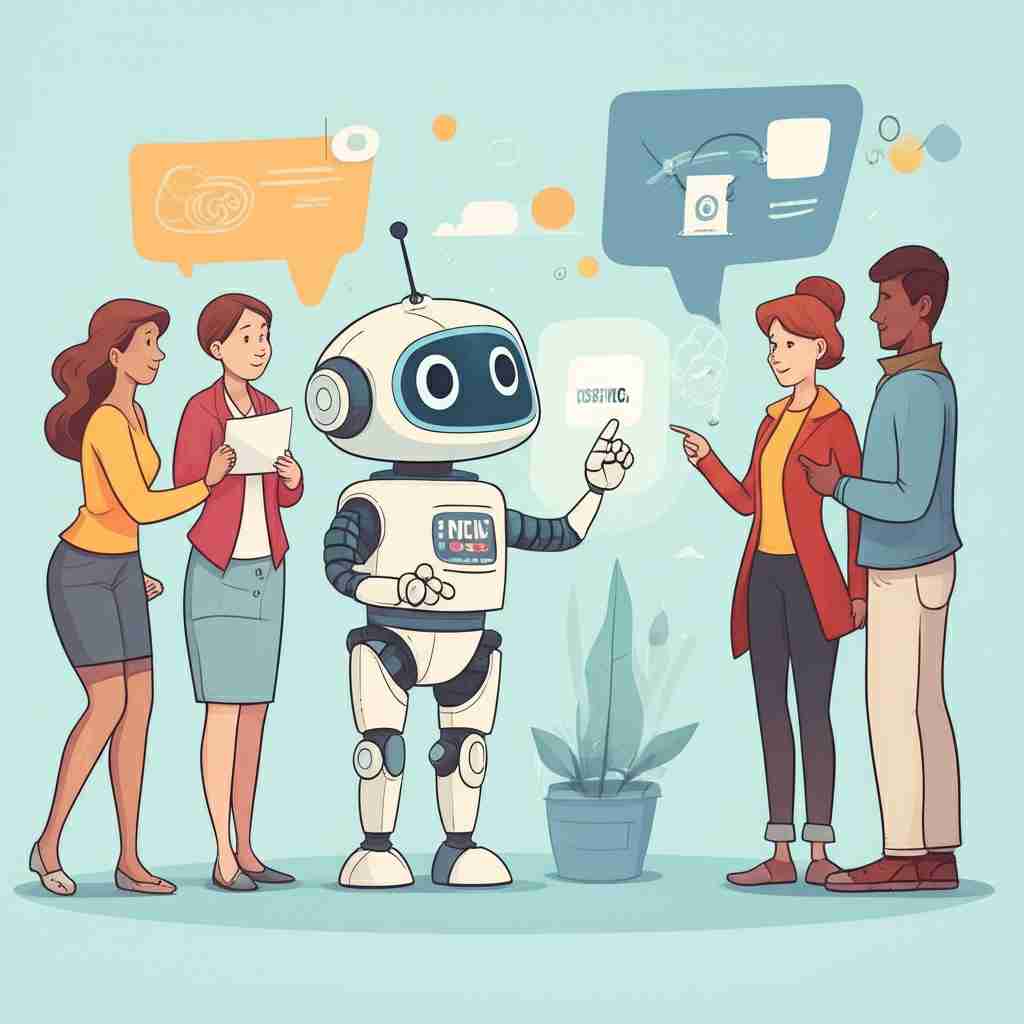
- Reimagining classroom models, where teachers serve as facilitators and orchestrators—managing not just students but also a suite of AI-powered tools and personalized learning assistants.
The goal is not to create a “screen-siloed” classroom, but to use AI judiciously, keeping humans at the center of the educational experience.
Authority-Building Study Citation:
A study conducted by UNESCO underscores the transformative potential of AI in education. The research highlights that, when ethically and thoughtfully deployed, AI can help close learning gaps and bring high-quality instruction to underserved communities. The study documents cases where AI tutors, provided after school, produced learning gains equivalent to two years of traditional English instruction in just six weeks. Importantly, UNESCO emphasizes the necessity of guardrails, ethical frameworks, and ongoing human oversight to ensure AI’s benefits are equitably shared and that core human learning experiences are preserved. Read the UNESCO study here.
4. Addressing Equity, Risks, and the Lessons from Past Technology Experiments
While AI unlocks remarkable possibilities, it also accentuates existing inequalities and presents significant risks:
- Equity Concerns: Students with limited access to technology—whether due to socioeconomic status or language background—risk falling further behind if AI is not implemented with equity in mind.
- Ineffective Technology Rollouts: Past mass deployments of screens and tablets in the classroom frequently ignored developmental science, leading to distractions, stunted social learning, and increased mental health challenges. The chaotic introduction of smartphones into schools serves as a cautionary tale: educators must avoid a hasty, “fear of missing out”-driven adoption of AI.
- Commercialization and Data Risks: Commercial AI products not designed for children may pose risks, from privacy breaches to exposure to inappropriate content. Strong regulation, ethical design, and adult oversight are imperative.
Actionable steps for schools and educators:
- Resist pressure to adopt AI solely for its novelty or perceived prestige. Instead, identify real problems that AI might efficiently solve.
- Prioritize using AI to support teachers, not to supplant human relationships.
- Advocate for benefit corporation structures and transparent, community-led development of educational AI.
- Establish robust guardrails: restrict unsupervised student use, especially for younger children; focus on AI designed explicitly for learning and wellbeing.
- Center efforts on closing—not widening—equity gaps, both locally and globally.
5. Practical Takeaways: Integrating AI Thoughtfully into Teaching Practice
To make the most of AI’s benefits while minimizing risks, teachers can use the following strategies:
- Introduce AI Literacy Incrementally: Start with foundational understanding—how AI works, its risks, and ethical considerations—before encouraging active use, especially in older students.
- Build Agency, Not Just Compliance: Shift feedback loops beyond grades to include evidence of student agency—reflection, initiative, and capacity to pursue new interests and information.
- Foster Deep Attention and Meaning-Making: Protect time and space for immersive reading and reflective activities. Consider “screen-free oases” within the school day.
- Design for Human Development: Center curricula around skills AI cannot replace: collaboration, oracy (speaking and listening), ethical reasoning, and social interaction.
- Personalize Within Limits: Use AI’s adaptive tools for individual instruction where appropriate (e.g., neurodivergent learners, self-paced modules), but always under guided supervision and as a complement—not a substitute—for human mentorship.
- Engage Families and Communities: Provide clear communication about AI’s uses and limitations. Involve parents and local leaders in conversations about the ethical integration of technology.
Above all, teachers should remember that motivation, engagement, and meaningful relationships remain irreplaceable in the learning process—AI is best used as an enhancer, not a replacement for these core human experiences.
Conclusion
The promise of AI in education rests not in its novelty or technological sophistication, but in how well it supports the deeper purposes of schooling: cultivating agency, critical thinking, and social connection among learners. As educators mark the International Day of Education, embracing AI requires both vision and vigilance. With ethical guardrails, a relentless focus on equity, and a renewed commitment to the whole child, teachers can ensure that AI shapes education for the better—preparing students not just for the jobs of tomorrow, but for a world where being fully human matters most.
About Us
At AI Automation Adelaide, we believe in using technology thoughtfully to empower people and organizations. Just as educators are learning to harness AI responsibly for deeper engagement and equitable outcomes, we help local businesses adopt AI tools that streamline tasks and free up time for what matters most—human connection and growth. Our solutions are tailored to support meaningful, ethical use of AI in everyday work.