
In AI-Era Job Hunting, Bots Apply and Recruit: Where Do Humans Fit In?
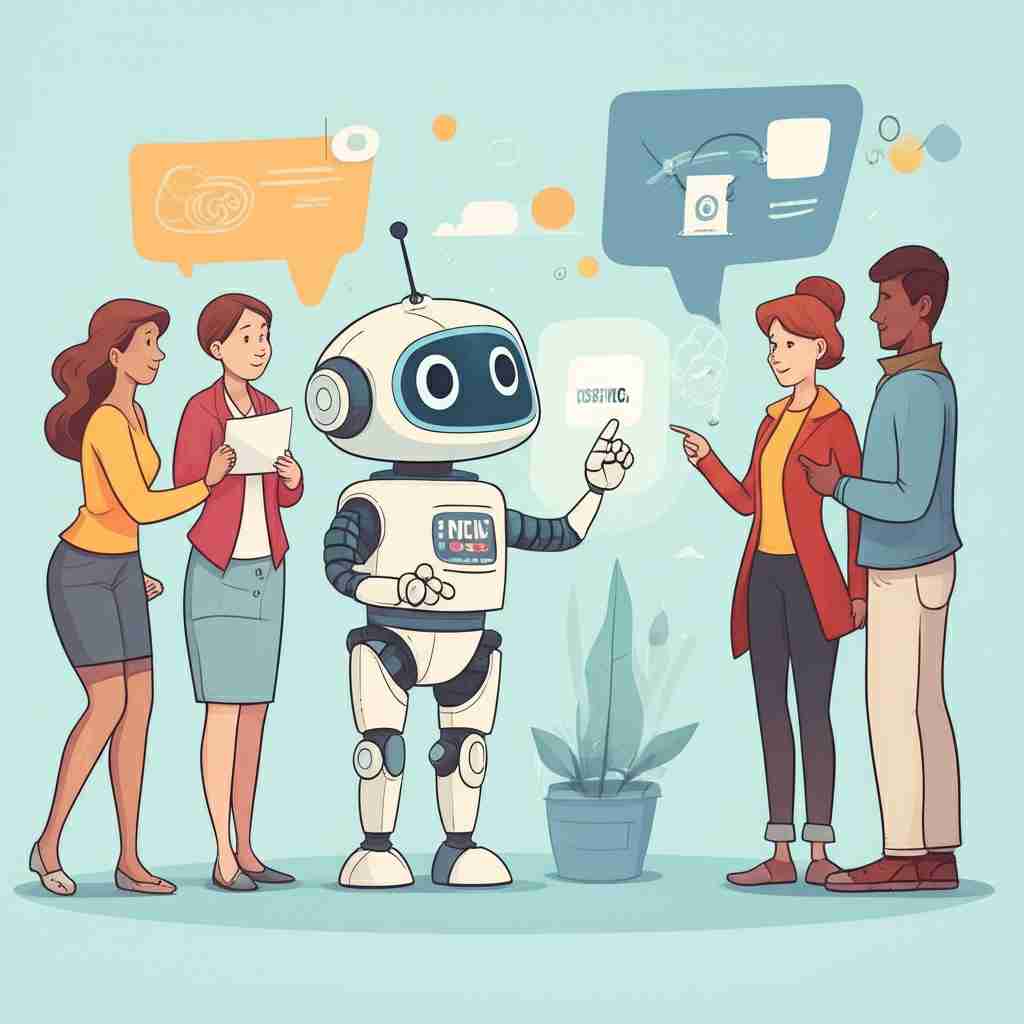
The landscape of job hunting is experiencing a seismic shift. With artificial intelligence (AI) now integral to both recruiting and job-seeking processes, applicants can find themselves navigating a world where algorithms scan resumes and bots submit applications by the thousands. Add to this the reality that AI-driven tools are reshaping the skills that employers desire, and it’s little wonder that many are asking: Where do humans fit in? This blog post explores the current and emerging dynamics of AI-era job hunting, offering actionable insights for job seekers, students, and professionals on how to remain relevant—and thrive—amidst the bots.
1. The New Normal: AI in the Hiring Process
AI is rapidly transforming both sides of the hiring equation:
- For recruiters: AI screens resumes, schedules interviews, and even conducts initial assessments. This leads to faster, more efficient hiring—but also to more automated, depersonalized decisions.
- For applicants: AI-powered tools now help optimize resumes, generate cover letters, and even apply to jobs en masse. Bots can send out thousands of applications instantly, raising the bar for applicants to stand out meaningfully.
Reid Hoffman, co-founder of LinkedIn, notes that these changes underscore how “dynamic and evolving” the career landscape has always been—but AI is accelerating the pace. AI can now write code, draft correspondence, and even perform complex assessments, making it crucial for applicants to bring something uniquely human to the table.
2. What Skills Matter Now? The Human Advantage in the Age of AI
Many students and professionals worry: Will AI make my degree or skill set obsolete? According to Hoffman, the most valuable trait you can cultivate is not a specific technical skill, but—
- A lifelong capacity to learn and adapt
- Creativity and originality
- Strategic thinking: understanding how to use tools like AI in practical, innovative ways
Here’s Hoffman’s perspective on what the world of work will require in the near future:
- “All of us will be using AI co-pilots… It’s a question of how do we use them smartly, what’s the strategy.”
- It’s not about knowing all the code or techniques, but about knowing how to apply them creatively to real-world problems.
In the case of web design, for example, knowing all the HTML tags or how to hand-code every element has become less important. AI can do that. What matters now is the ability to combine technical skills with a strategic understanding of organizational goals—and the creative spark to design something original.
3. Evidence from the Field: How AI is Reshaping Job Hunting and Recruitment
A study conducted at The Washington Post—detailed in In AI-era job hunting, bots apply and recruit. Where do humans fit in?—provides critical insights into this evolving landscape. The research found that both job seekers and employers are increasingly deploying AI-driven tools to maximize efficiency. While automated systems can match applicants to job postings at scale, the human element remains essential. The study emphasizes that:
- AI can efficiently handle repetitive, rule-based tasks—such as resume screening and interview scheduling—but struggles with nuanced judgments, cultural fit, and creative problem-solving.
- Applicants who combine AI-savvy with uniquely human traits—like adaptability, collaboration, and strategic thinking—continue to stand out in hiring processes that increasingly rely on automation.
- Networking and personal connections still play a decisive role in securing interviews and offers, beyond what any algorithm can replicate.
These findings reinforce the importance of leveraging AI as a tool—not a replacement—for human intelligence, creativity, and connection in your career journey.
4. Actionable Strategies: How to Stay Ahead in an AI-Driven Market
Given the accelerating, disruptive nature of AI in hiring, how can job seekers stay ahead?
- Develop Advanced Prompting Skills – As Hoffman notes, “no one is prompting in particularly good ways” now, so applicants who invest in learning how to effectively communicate with AI tools have a significant edge.
- Be Strategic—Not Just Passionate – While passion is important, being strategic about each job, even if it’s not your ideal role, can provide stepping stones to your true goals. “Doing a job versus not doing a job is always a better way to ultimately be getting to a much better job two, five, ten years out,” says Hoffman.
- Embrace Lifelong Learning – The pace of change means your degree is less about specific facts, more about cultivating your ability to learn, adapt, and tackle new challenges as they arise.
- Leverage Your Network – “Life is a team sport, not just an individual sport,” Hoffman emphasizes. Stay connected with peers and mentors, seek advice, and share resources and opportunities—these human connections remain a vital differentiator.
- Find Your Unique Value Proposition – With AI flattening many technical skill differences, highlight what only you can offer: industry context, leadership experience, creativity, or a fresh perspective as an “AI native.”
5. The Future of Work is Human + AI: How to Navigate the Next Chapter
So, where do humans fit in when bots are applying and recruiting? The answer lies in collaboration—not competition—with AI. Applicants and professionals who treat AI as a powerful tool, not a threat, position themselves to succeed. As Hoffman advises:
- “Bring the fact that you have AI in your tool set… It’s making you able to show your unique capabilities.”
- Entry-level roles may change or be harder to find, but those who adapt quickly and use AI to identify, map, and compete for new opportunities will thrive.
Above all, remember that the journey is dynamic and ongoing. Ask questions, seek new skills, and embrace adaptability. The human role in job-hunting and in the workplace is not disappearing—it is evolving, and now includes partnering with AI to achieve your career aspirations.
Conclusion
The rise of AI-powered bots in recruitment and job-seeking has changed the rules, but it has not closed the door on human opportunity. In this new era, those who invest in learning, creativity, strategic use of AI, and strong personal networks will continue to shape their destinies in the workplace. The possibilities are vast—for those willing to evolve, the future of work remains very much human.
About Us
At AI Automation Adelaide, we empower businesses and professionals to adapt in the evolving world of AI-driven workplaces. Just as the landscape of job hunting shifts with automation and smart technology, we help local companies harness AI tools to streamline operations and stay competitive. Whether you’re seeking efficiency or looking to build your skills for the future, our team is here to make AI accessible and supportive for your goals.