
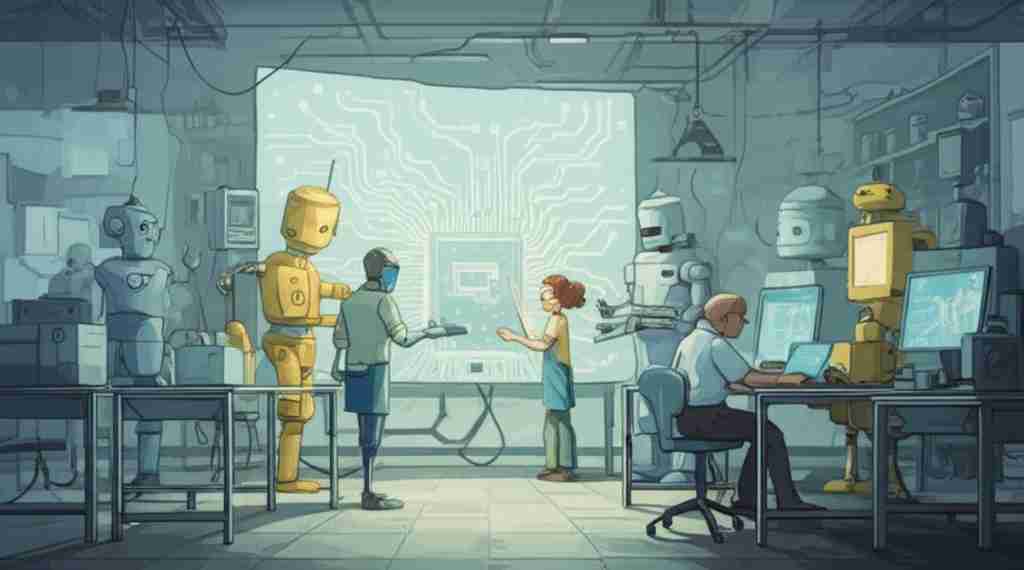
Overcoming AI Implementation Challenges: Lessons from Early Adopters
As artificial intelligence (AI) continues to advance at a rapid pace, businesses of all sizes are feeling mounting pressure to adopt AI-driven solutions or risk being left behind. Yet for many organizations, implementing AI remains an uphill battle fraught with hidden pitfalls, misaligned incentives, and organizational resistance. Learning from early adopters is crucial to navigating these barriers and ensuring successful, enduring AI transformation. In this blog post, we’ll explore the most pressing challenges, the underlying reasons for resistance, and proven strategies to overcome these obstacles based on real-world experiences and scientific research.
Understanding the Unspoken Crisis: The People Problem in AI Adoption
Despite considerable investment and optimism about AI, many organizations encounter a silent and pervasive problem that can derail even the most promising projects: internal resistance. At the heart of this issue are conflicting goals between executives and employees.
- Executives are primarily motivated by revenue growth, operational efficiency, and staying ahead of the competition through AI-driven innovation.
- Employees are naturally concerned about job security, role relevance, and their future in an AI-augmented or automated workplace.
This asymmetry in objectives creates a subtle but powerful resistance among employees—often manifesting as passive non-cooperation, lack of engagement, or even, at times, deliberate obstruction. “The employees are the people that deal with those standard operating procedures (SOPs) every single day,” as one AI implementation expert put it. “But the employee doesn’t actually want to really help you because they know if they do help you, they’re just losing their wage.”
Such resistance can severely hamper the collection of critical knowledge required for successful automation, damaging timelines, increasing costs, and ultimately reducing the return on AI investments.
Key Lessons from Early AI Adopters
Organizations that have successfully navigated the labyrinth of AI adoption reveal several important lessons:
- AI Augmentation Comes Before AI Replacement: Early phases of adoption involve AI augmentation—AI systems working alongside humans to boost efficiency, rather than replacing entire departments. It’s rare that a 100-person department will be instantly reduced to a handful; instead, businesses see gradual transition in workflows and modest reduction in roles with new opportunities often emerging.
- Resistance Often Stems from Perceived Threats, Not from the Technology Itself: Employees’ reluctance is frequently rooted in job security concerns rather than skepticism about AI’s capabilities. Understanding and directly addressing these fears is essential for real progress.
- Executive-Employee Engagement is Essential: Successful projects require active collaboration between those driving strategy (executives) and those with day-to-day process expertise (employees). When either party is not fully aligned, adoption drags or fails entirely.
These insights underscore the importance of managing not just technical change, but people and process change as well.
Strategies for Overcoming AI Implementation Barriers
What practical steps can organizations take to avoid these pitfalls and accelerate successful AI adoption?
- Dedicate an Internal Project Manager: Assign someone within your organization whose primary responsibility is the success of the AI project. This should not be an afterthought or an “add-on” to someone’s existing role, but a key responsibility over the duration of the project.
- Align Incentives for Involved Employees: Employees whose cooperation is critical to the project’s success should be incentivized—through bonuses, career advancement, or other rewards—so that their interests align with the organization’s adoption goals.
- Build Internal AI Automation Teams: Train and redeploy existing staff into AI-focused teams. Leverage their subject matter expertise and familiarity with business processes to streamline automation and foster a sense of ownership over change.
- Reallocate and Repurpose Talent: Instead of only considering workforce reduction, think in terms of redeployment. Free up employees from repetitive tasks and direct their efforts toward high-value activities, such as customer engagement, process improvement, or exploring new business opportunities.
- Invest in Continuous Learning: Encourage staff at all levels to learn about AI technology. Employees with knowledge in both AI and their specialty become invaluable assets in both maintaining and evolving AI-driven operations.
Evidence-Based Approaches: What the Research Says
A study conducted at KDnuggets (Overcoming AI Implementation Challenges: Lessons from Early Adopters) provides further evidence for the strategies outlined above. The research highlights that successful early adopters prioritize open communication between executives and employees, clearly define project ownership, and establish internal AI ‘champions’ to bridge expertise gaps. These organizations also note the value of continuous upskilling and the creation of cross-functional AI task forces, ensuring that technical innovation is accompanied by a supportive and adaptive organizational culture. The study’s findings reinforce that technical solutions alone are not sufficient—addressing cultural and human factors is paramount for long-term AI success.
Practical Steps for Achieving Sustainable AI Transformation
Based on lessons from both practitioners and scientific research, here is a practical roadmap for organizations tackling AI implementation:
- Conduct a Readiness Assessment
Analyze your current workflows, staff capabilities, and organizational openness to change. Identify potential pockets of resistance and address them proactively. - Create a Clear Internal Ownership Structure
Assign project managers and internal AI champions. Ensure that both business and technical leads are empowered to make decisions and resolve conflicts. - Engage, Educate, and Incentivize Employees
Host workshops, training sessions, and knowledge-sharing initiatives. Offer tangible incentives for participation and innovation in AI projects. - Iterate and Pilot
Start with pilot projects focused on achievable automation goals. Gather feedback, measure ROI, and iteratively improve processes before scaling across departments. - Build for Long-Term Adaptability
Continuously invest in upskilling staff and updating internal policies as AI technology advances and business needs evolve.
By following these steps, organizations can systematically reduce friction, increase employee buy-in, and amplify the benefits of AI transformation.
Conclusion: Turning Challenge into Competitive Advantage
AI’s transformative potential is undeniable, but early failures often have more to do with people and process missteps than technological shortcomings. The most effective organizations are those that treat AI adoption as a holistic change journey—one where human skill, collaboration, and adaptability are just as important as algorithms and automation platforms.
By learning from the hard-won lessons of early adopters, aligning incentives, and continuously investing in both people and technology, any organization can overcome AI implementation challenges and reap lasting strategic advantages. The journey may be complex, but with a proactive, evidence-based approach, businesses can ensure their place at the forefront of the AI-enabled future.
About Us
At AI Automation Adelaide, we partner with businesses to make AI adoption smooth and effective. Drawing from proven strategies and lessons shared by early adopters, we focus on both technical solutions and people-centric approaches. Our team helps organizations streamline operations, engage employees, and build internal capability, ensuring that your journey to AI transformation is well-supported and sustainable.