
Companies That Replaced Humans With AI Are Realizing Their Mistake
Introduction: The Complex Reality of AI Replacing Humans
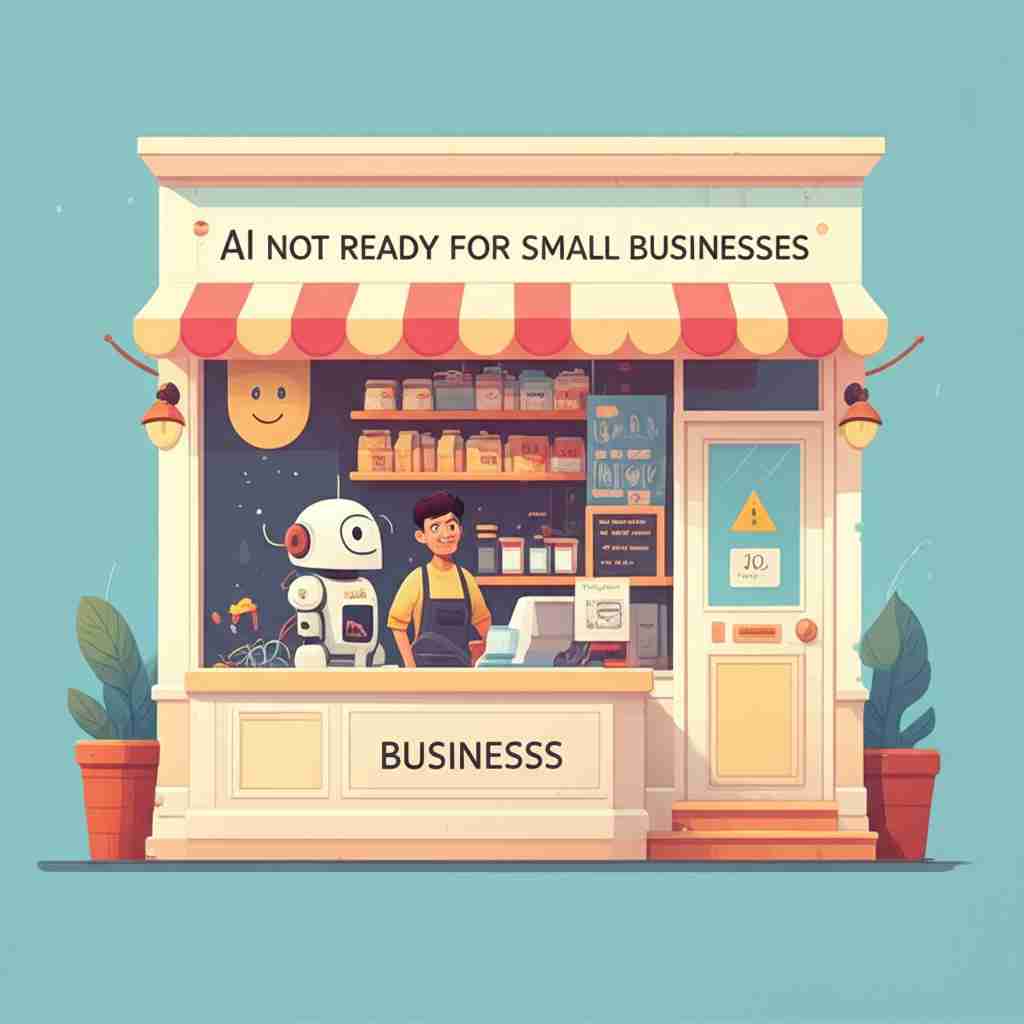
In recent years, a wave of organizations across industries have sought to embrace artificial intelligence (AI) as a cost-saving, efficiency-boosting solution—sometimes at the expense of their human workforce. However, as the technology matures and real-world consequences become clear, some companies are beginning to reconsider these moves. Despite the futuristic promise of AI agents—autonomous digital assistants and workers—actually replacing humans turns out to be a far more complex and nuanced proposition than once believed. Drawing insights from industry experts and recent research, let’s explore why “Companies That Replaced Humans With AI Are Realizing Their Mistake” and what lessons can be drawn for business leaders, technologists, and workers alike.
1. The Allure—and Limits—of AI Agents
AI agents are rapidly proliferating and are often described as supercharged personal assistants capable of executing a wide array of tasks. The vision for the near future is striking: estimates predict that in the next one to two years, there may be more AI agents on Earth than humans. Companies dream of harnessing armies of tens of thousands (or even millions) of AI agents to drive productivity, lower costs, and streamline operations.
- AI agents can automate repetitive digital processes, data entry, and even software development tasks.
- Open-source trends mean more organizations are building custom AI workflows tailored to specific needs, enhancing control over sensitive data and applications.
- Some consider AI agents as the ultimate in efficiency—not requiring breaks, sleep, or motivation—able to work around the clock.
Yet, as the transcript reveals, “The biggest barrier to innovation has always been human bandwidth. If you can manage a team of 10,000 AI agents, executing insane tasks, you’ll become a kind of superhuman.” However, this promise comes with significant caveats. Human oversight, ethical considerations, and cultural context are all proving more vital (and difficult to replicate) than previously acknowledged. Furthermore, the general consumer primarily values simplicity, reliability, and privacy—concerns that AI alone does not always address.
2. When AI Replaces Humans: Unexpected Consequences
AI’s lightning pace and apparent objectivity can seduce decision-makers. However, wholesale human replacement often leads to unforeseen negative outcomes, undermining company culture, creative output, and even business continuity.
- Loss of Nuance, Collaboration, and Context: As the panel of experts discusses, while AI can process data and execute tasks, it struggles to navigate the subtle, democratic, and highly contextual aspects of collaboration that humans excel at.
- Consumer Trust and Experience: Many end-users express a desire for quick, cheap, and effective services without thinking much about the underlying technology. However, a shift away from human staff can erode user experience, particularly in areas where empathy, adaptability, and trust are paramount.
- Security, Identity, and Control Issues: With more automated agents comes the increased risk of security breaches, identity theft, and loss of data control. For instance, the speakers highlight: “If others create my agent, it’s almost as if my identity is entirely stolen. How do you clear out rogue agents?”
The video also recounts real-world cases where companies, after replacing workers with AI, initiated costly reversals or encountered operational disruptions. This underscores that replacing humans outright can, paradoxically, cost more—both financially and reputationally—when the overlooked value of human input is realized only after the fact.
3. Evidence from Research: Why Companies are Rethinking AI-First Approaches
Research published in Futurism found that companies which aggressively replaced human workers with AI technologies are acknowledging significant missteps. According to the study, major firms that prioritized automated agents over human employees frequently encountered reduced service quality, increased customer complaints, and unexpected operational challenges. For example, OpenAI CEO Sam Altman had predicted that by 2025, “AI agents would work,” yet early adopters discovered that these systems often lack the flexibility, nuance, and contextual awareness required for many business processes. This evidence-based perspective reinforces the reality that human talent remains indispensable, particularly in roles requiring emotional intelligence, judgment, and creative problem-solving.
4. The Value of Hybrid Teams: Humans and AI in Collaboration
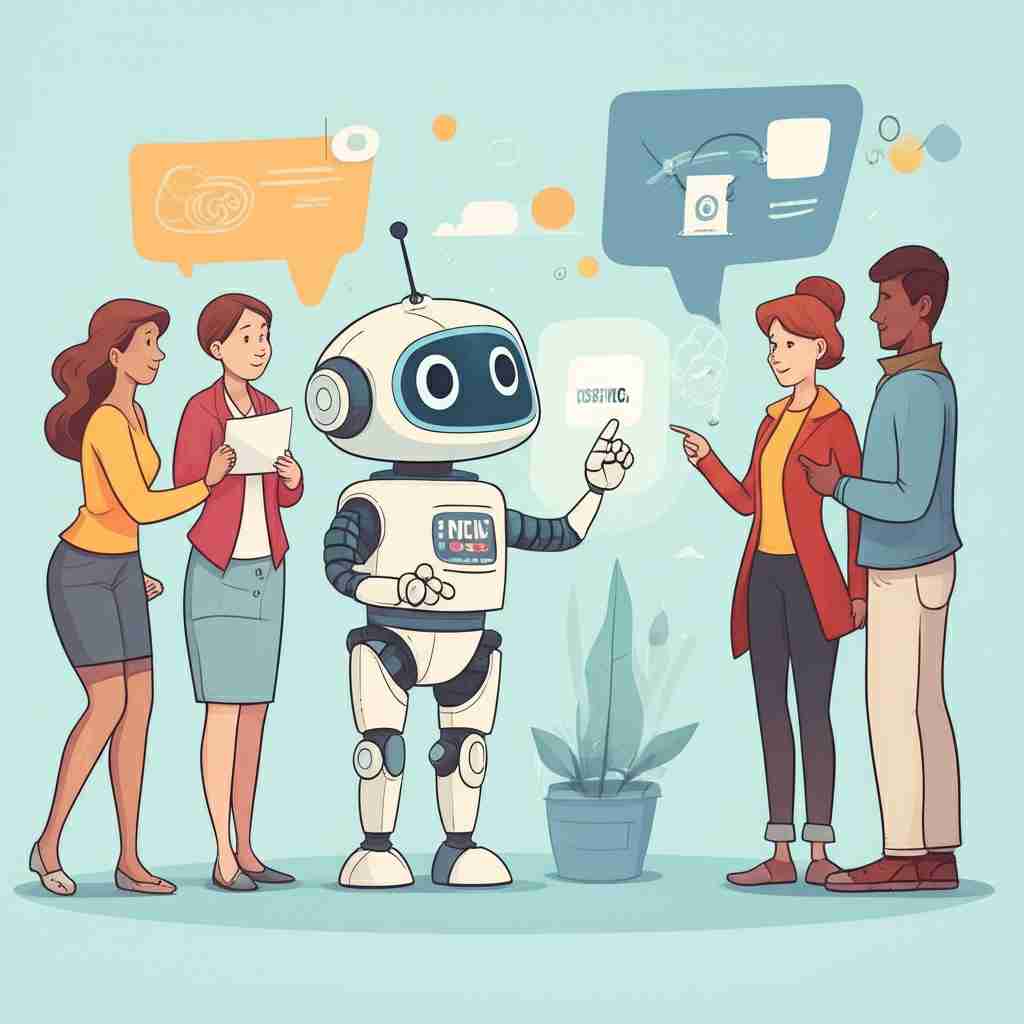
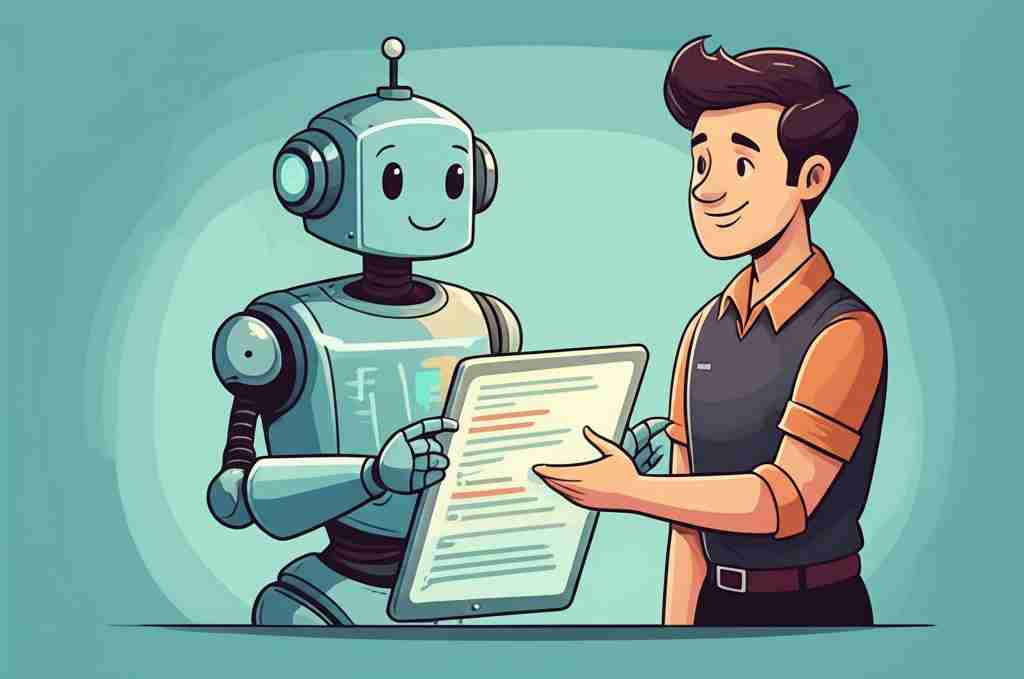
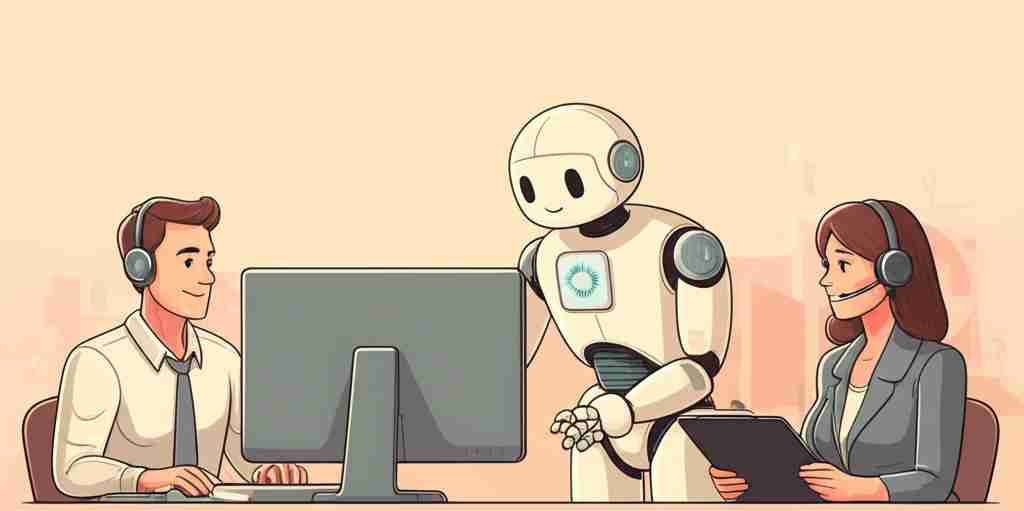
The lesson emerging from leading tech and research communities is that AI works best not as a replacement, but as a complement to human expertise. Hybrid models—where AI automates routine tasks and humans focus on higher-order thinking, creativity, and oversight—are increasingly seen as the optimal approach.
- Operational Efficiency and Innovation: AI can initiate, monitor, and execute basic workflows, freeing human workers to focus on strategic, interpersonal, and innovative tasks.
- Cultural and Ethical Considerations: Humans are essential for shaping company culture, ensuring fair governance, and upholding ethical standards, especially as AI models may inadvertently reinforce biases or lack transparency.
- Resilience and Adaptability: Open-source AI and decentralized models allow organizations to tailor solutions, but still require human oversight to be truly effective. As highlighted: “In open-source, you have to be the fastest and most resilient engineering team, more creative than closed-source models.”
Prioritizing collaborative “human-in-the-loop” systems enables better risk management and leverages the uniquely human abilities of empathy, judgment, and cultural sensitivity that AI has yet to master.
5. Practical Takeaways for Companies and Workers
Based on both industry experience and research, several actionable lessons can guide organizations and individuals navigating the evolving landscape of AI integration:
- Don’t Rush to Fully Automate: Carefully evaluate which roles and tasks benefit most from AI augmentation, rather than blanket replacement.
- Maintain Human Oversight: Ensure critical workflows, especially those involving decision-making and customer interaction, retain a human element for quality assurance.
- Prioritize Data Privacy and Identity Protection: Develop robust systems for validating identity and managing access as more processes become automated.
- Foster Adaptable, Creative Teams: Prepare staff to leverage AI tools for enhanced productivity—skills like “prompt engineering” and process management will be valuable.
- Invest in Open, Decentralized Approaches: Consider open-source AI solutions to retain greater control and customize systems to fit organizational culture and needs.
- Continuous Learning and Flexibility: As technology evolves, so must your workforce and strategies. Encourage a culture of curiosity and skill development.
For workers, building complementary AI skills—such as managing agents or curating quality data—may offer new opportunities as job landscapes shift.
Conclusion: Striking the Right Balance in the Age of AI
AI is here to stay and will only become more powerful in the years ahead. Yet the experiences of companies that rushed to replace humans with AI serve as a cautionary tale: technology, no matter how advanced, cannot substitute for the irreplaceable value of human insight, empathy, and adaptability. Success in the AI age will go not to those who replace their workers, but to those who empower them—using technology as a tool for collective achievement. As organizations rethink their strategies, embracing hybrid models that harness the best of both worlds could make the difference between short-term efficiency gains and long-term resilience and innovation.
For more in-depth coverage on this topic, see the original: Companies That Replaced Humans With AI Are Realizing Their Mistake
About Us
At AI Automation Adelaide, we help businesses harness AI to boost efficiency—without losing the vital human touch. Our custom automation solutions are designed to streamline everyday tasks, so you can focus on what people do best: providing creativity, empathy, and insight. We believe that blending smart AI tools with human expertise delivers the best results for our clients and their customers.