
Are the Robots Finally Coming? Exploring the Dawn of Embodied AI
Introduction: The Tipping Point in Robotics
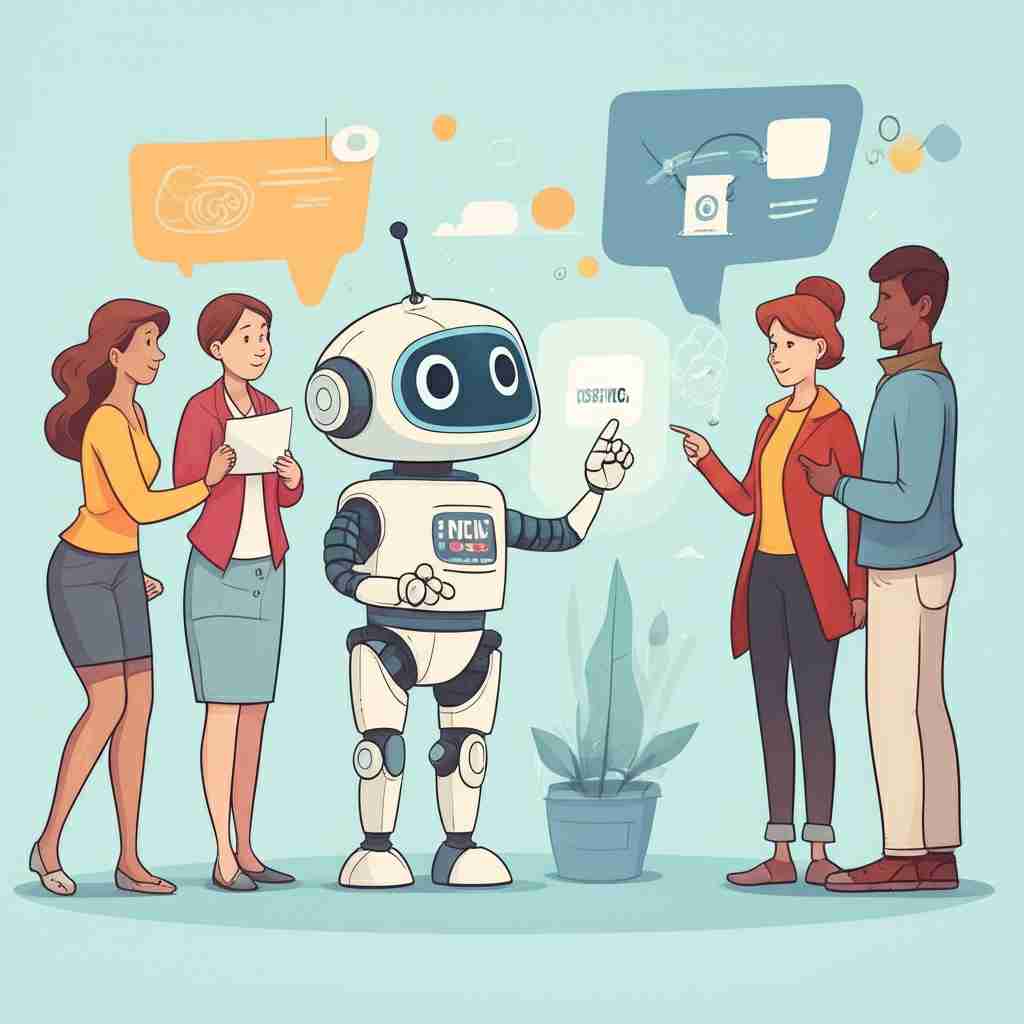
Robots have long captured our imagination, poised at the intersection of science fiction and technological progress. For decades, the promise of autonomous machines revolutionizing our world seemed like a distant possibility. Today, however, we stand on the brink of a new era—one in which artificial intelligence (AI) ceases to be just lines of code and begins to animate our physical world. So, are the robots finally coming? Drawing from leading research and expert insights, this blog post investigates how embodied AI is set to reshape industries, economies, and daily life, and why the next wave of innovation may be closer than we think.
From Digital Brains to Moving Machines: The Rise of Embodied AI
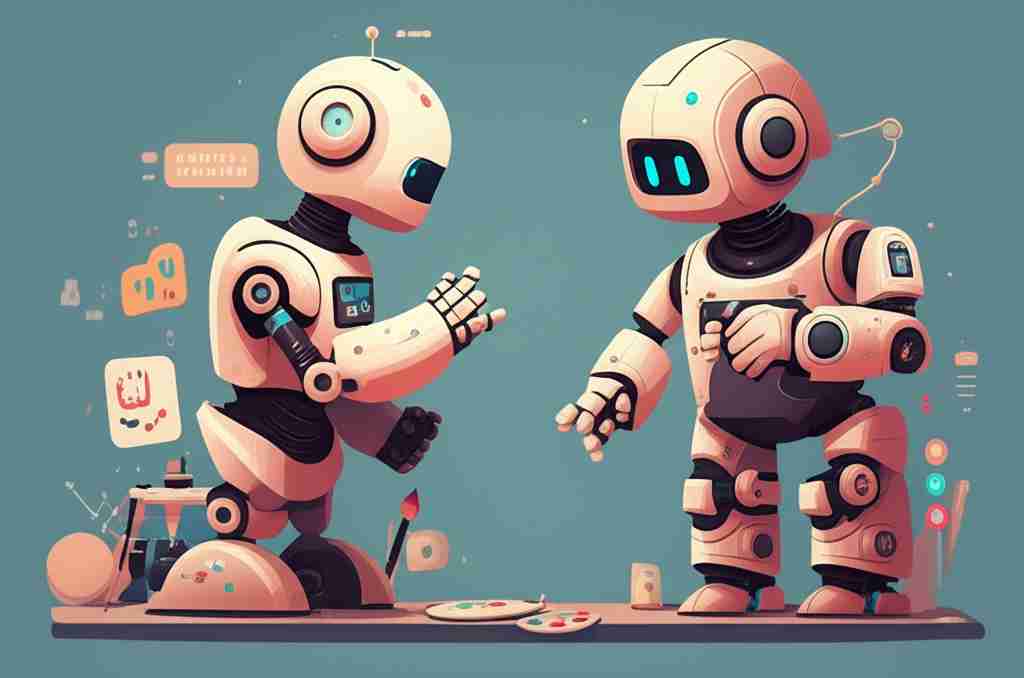
Artificial intelligence is already woven into the fabric of our digital world. AI listens, talks, writes, analyzes, and now even creates images. Yet, one core limitation has persisted—AI rarely moves. The journey from software that thinks to robots that act is defined as motility: the ability to move independently under one’s own power. In nature, motility proved a game-changer, marking evolutionary leaps from simple, static forms to complex, dynamic creatures.
- Mobile Devices vs. Robots: The boundaries are blurring. With advances in robotics, machines equipped with AI are taking on new kinds of agency and autonomy.
- Embodied AI: Defined as any machine that senses, perceives, learns from, and manipulates its three-dimensional environment.
- Dual-Purpose Impact: Embodied AI is entwined with both economic growth and national security, driving new natural monopolies and transforming global markets.
The scale of this shift is monumental. Any machine that can be automated potentially will be—including vehicles, fulfillment centers, and even aspects of daily life.
AI in the Physical World: Vision, Data, and Opportunity
For AI to meaningfully interact with the world, it needs not just intelligence, but sensory perception—chiefly, the ability to collect and reason with visual data. The comparison to biology is apt: the humble fruit fly, with its poppy-seed-sized brain and compound eyes, achieves remarkable feats of navigation. Nature’s efficiency inspires robotics, but with the aid of simulation and advanced sensors, companies can now accelerate learning exponentially.
- The Race for Vision: The true value of real-world data unlocks only when we have the means to collect and process it—akin to having the right boat and gear to catch a tuna.
- Simulation Advantage: Robots learn not only through real-world experiences but in hyperrealistic digital twins, training across billions of virtual scenarios—narrowing the "sim-to-real" gap.
- Real-Time Data: The freshest data holds the most predictive power, giving a major advantage to those who capture the present moment.
Major tech companies are already leveraging these advances:
- Tesla: Millions of cars gathering data, robotics-driven manufacturing, and AI models improving with every mile traveled.
- Meta: Reality Labs creating wearables that feed real-world action data back into AI systems, teaching humanoid avatars new skills.
- Amazon: Robotic automation in fulfillment centers, drastically reducing the ratio of humans to robots since 2017.
The Economic and Societal Stakes: Automation at Scale
As embodied AI matures, its economic potential dwarfs previous technological waves. The total addressable markets (TAMs) for physical automation—transportation, logistics, manufacturing, and beyond—stand to exceed even the current global economy. But it’s about more than efficiency; it’s about a fundamental shift in how work is done and value is created.
- Gigantic Labor Markets: Nearly 4 billion global workers, with even a 1% substitution by humanoid robots equating to hundreds of billions of dollars in value.
- Time Value: Humans spend 720 billion hours annually inside cars—robotic autonomy could reclaim this time for higher-value pursuits while improving safety and efficiency.
- New Markets: Emerging sectors like low-altitude economy (e.g., flying cars, drones) could rival or surpass car markets, as e-motors, materials, and AI control systems advance.
Industries are at different stages:
- Tech-Rich, TAM-Poor: Companies with advanced technology seeking broader markets.
- TAM-Rich, Tech-Poor: Traditional industrial firms now seeking to modernize with AI and robotics.
Strategic integration—across sensors, batteries, actuators, and custom AI silicon—sets apart industry leaders, creating formidable “moats” and opening up trillion-dollar opportunities.
Scientific Perspective: The Tipping Point in Robotics
A study conducted at the Are the robots finally coming? explored the economic, technological, and societal impacts of the latest wave of robotic automation. The research highlights that a new “Cambrian explosion” in robotics is underway—driven by advances in AI, lower hardware costs, better sensor integration, and rapidly expanding datasets. Key findings reveal that industries integrating embodied AI report significant gains in productivity, safety, and scalability, while societies face critical choices around labor, regulation, and the pace of innovation. The study underscores that while robots are not yet ubiquitous, the inflection point is near and the next decade promises to redefine work, transportation, and competition at a global scale.
What to Expect: Impacts, Challenges, and Staying Human
The arrival of robots and embodied AI is not just about machines replacing people—it’s about reprofiling human endeavor and redefining what’s possible. However, these advances also come with challenges and considerations:
- Workforce Transformation: Many repetitive, hazardous, or boring tasks may shift to robots, requiring upskilling and new forms of employment for millions.
- Regulation and Safety: As robots enter shared spaces, robust safety standards, data privacy measures, and new regulatory frameworks are vital.
- Geopolitical Dynamics: Automation and AI are already factors in national security, global competition, and industrial policy—reshaping strategic priorities worldwide.
- Innovation Catalysts: Just as the race to the moon propelled STEM education, today’s tech competitions drive innovation at breakneck speed.
Practical Takeaways for Individuals and Organizations:
- Stay informed about advances in AI and robotics impacting your industry.
- Seek opportunities for upskilling in fields integrating automation, data science, and AI.
- Advocate for responsible deployment—balancing productivity, safety, and human-centric values.
- Engage in conversations about the ethical, economic, and social implications of embodied AI.
Conclusion: The Human Touch in the Age of Robots
So, are the robots finally coming? The evidence is clear: we are entering a pivotal period where AI-powered machines are not only coming—they are here. What once seemed like science fiction is now an emerging reality, underpinned by robust technology, data, and market demand. Whether in manufacturing, transportation, or everyday life, embodied AI is poised to transform the world as profoundly as electricity, aviation, or the internet before it.
Yet, amid the rush to automate, it’s the human touch—creativity, judgment, and empathy—that will ensure technology serves to elevate society. By staying informed, adapting, and advocating for ethical integration, we can navigate this new age with purpose and promise. The next chapter in human progress is being written now. Are you ready?
About Us
At AI Automation Adelaide, we empower businesses to adapt to the rise of embodied AI by creating practical automation solutions. As robotics and intelligent systems transform work and daily routines, our tailored AI tools help local companies streamline tasks, improve efficiency, and stay ahead in an evolving landscape. We’re committed to making innovative technology accessible and beneficial for every business—helping you navigate the future, today.