
How Software Engineers Actually Use AI: From Hype to High-Quality Integration
Artificial intelligence (AI) has swept through the tech world, shifting from headline-making breakthroughs to becoming a practical part of the everyday toolkit for software engineers. Amid debates about the longevity of AI’s hype, one truth stands out: the way developers interact with and implement AI is evolving rapidly. But how are software engineers actually using AI right now? And what does this mean for the future of software development? This article explores these questions based solely on first-hand insights and authoritative research.
1. The Shift: From Breakthroughs to the Integration Era
Not long ago, every newsfeed was filled with revolutionary AI milestones—tools coding front-ends from scratch, models that could generate images or even pass reasoning tests, and fears that machines would soon replace developers. Buzzwords like ChatGPT, Claude, and R2 dominated conversations. Many developers remember the initial anxiety: would AI outcode us and render our jobs obsolete?
However, things are changing. As one veteran software engineer puts it, “I couldn’t see myself not using AI anymore because as a senior engineer, I am more productive… it’s just part of my normal workflow now.” The frequency and excitement around headline-making AI breakthroughs have waned. Instead, developers are now experiencing what might be called the “integration era.” Each new AI tool, while impressive, feels less disruptive—less like something brand new and more like another piece that fits into the ever-expanding development puzzle.
- Breakthrough Phase: Fast-paced, disruptive innovations (e.g., first launches of generative AI, code auto-completion, local LLMs).
- Integration Phase: Maturing technologies are being woven into existing tools and workflows, improving efficiency rather than reinventing the wheel.
This shift echoes a common theme in technology adoption: after the initial shock and awe of a breakthrough, there comes a critical period where value is realized by integrating these innovations into the real tools, systems, and experiences people use every day.
2. The Practical Ways Engineers Use AI in Daily Work
The hype might have settled, but AI is far from obsolete in the professional lives of software engineers. Instead of focusing on creating entirely new AI-driven products from scratch, engineers are:
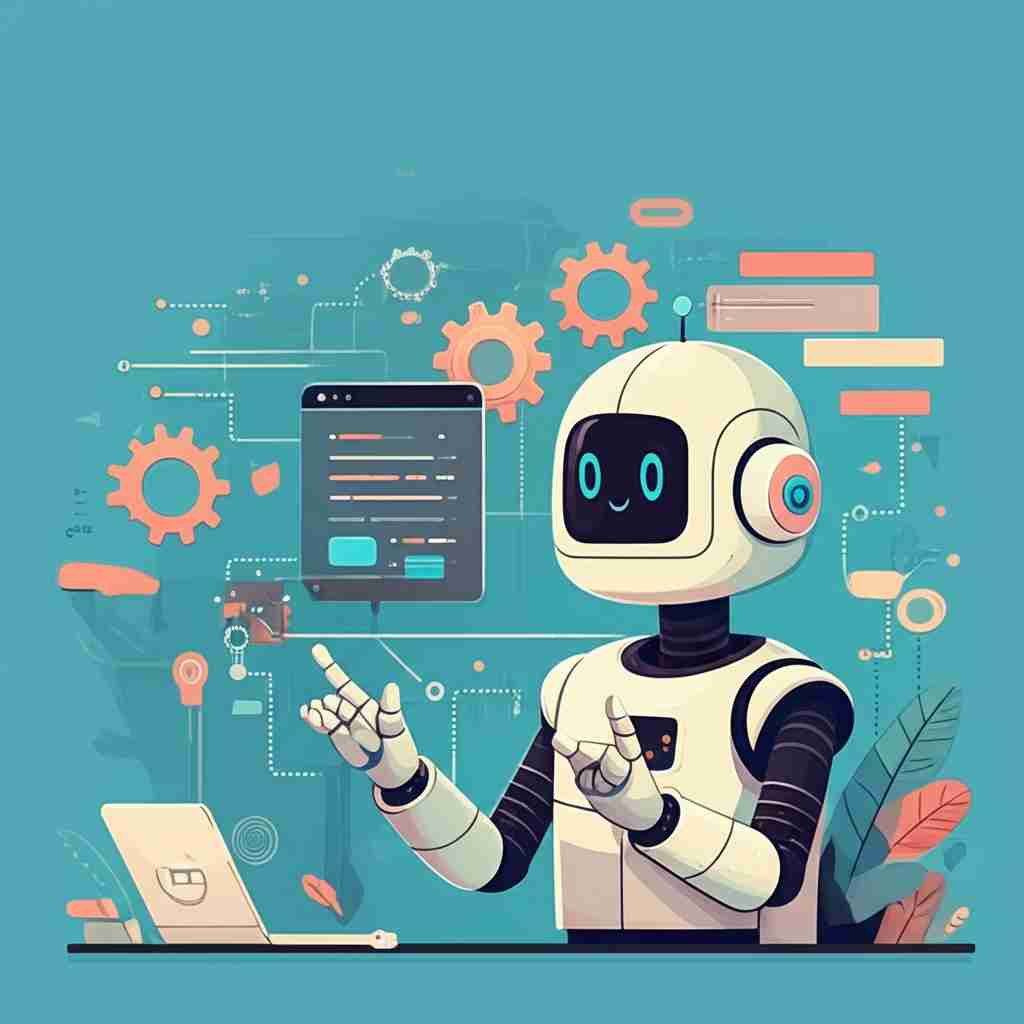
- Using AI code assistants (like ChatGPT, Claude, Cursor) for brainstorming, code generation, and bug fixing.
- Integrating AI services with tools like Zapier and N8N to automate workflows and connect disparate systems more seamlessly.
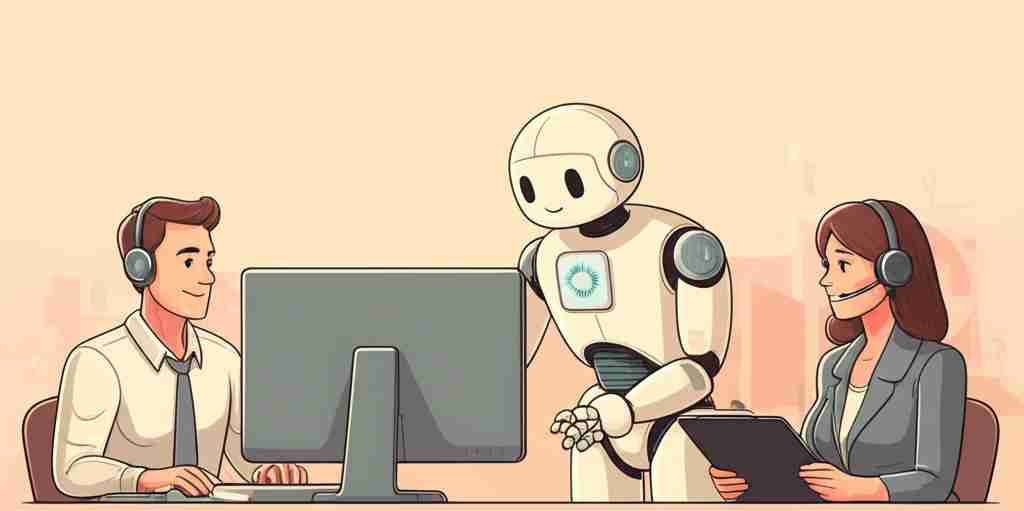
- Automating routine tasks such as composing emails, generating test cases, or creating boilerplate code – letting AI handle the “boring parts” so they can focus on creativity and high-level design.
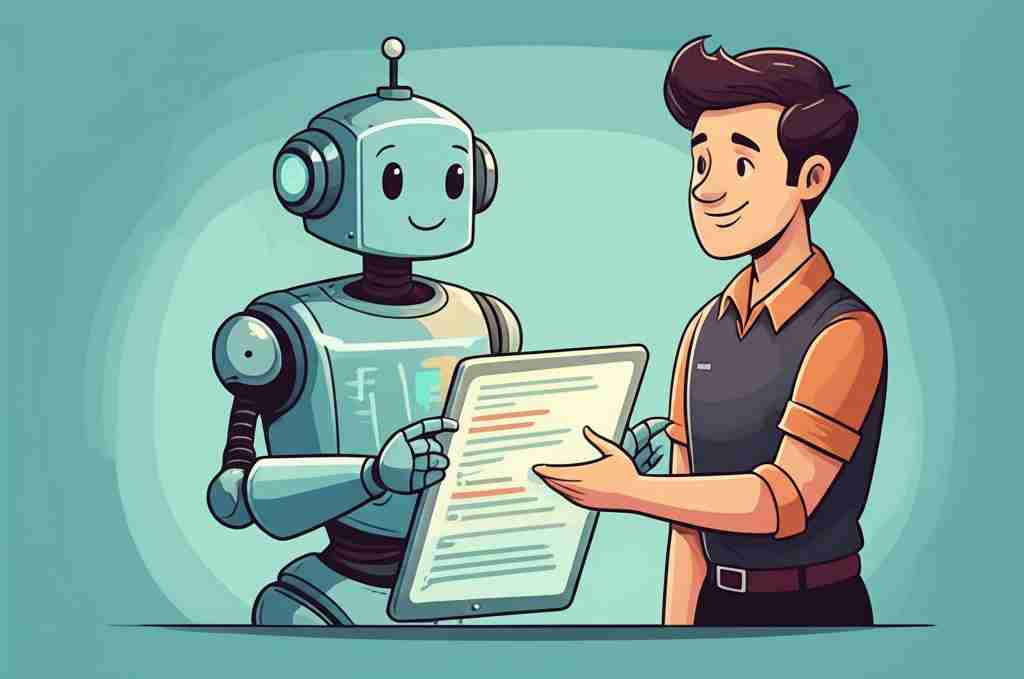
- Collaboratively riffing with AI as a “second developer” to challenge ideas, review solutions, and iterate faster. “I love that I have other folks (AI) to riff with back and forth,” shares a senior engineer.
- Improving customer experiences by building AI-powered features directly into products, enhancing usability and engagement.
While some developers fear being replaced by AI, many view it as an enhancer—a way to boost productivity, improve quality of life, and unlock more time for meaningful problem-solving.
3. Evidence from Research: What Studies Reveal About AI Adoption
A study conducted at Wired titled “How Software Engineers Actually Use AI” offers critical insights into this transformation. The research found that while the initial wave of AI adoption centered on spectacular, attention-grabbing achievements, today’s leading engineers are integrating AI into their day-to-day workflows in increasingly nuanced ways. Key findings include:
- Most software engineers use AI as assistants or tools, not as replacements.
- Productivity improvements stem from connecting existing AI-enabled services, rather than building wholly new applications.
- The value of AI grows as it is “plumbed”—integrated deeply and operationally into development pipelines, rather than applied superficially.
- There is a growing trend towards practical, workflow-enhancing integrations over flashy new demos or prototypes.
This research substantiates the real-world experiences shared by developers: the AI “revolution” continues, but its most significant impacts today are practical, not mythical or mysterious. For the full article and additional details, see: How Software Engineers Actually Use AI.
4. The Developer Mindset: Integration Skills Over Reinvention
In this new landscape, the most successful software engineers aren’t those chasing every novel algorithm or shiny new tool, but those who excel in integration:
- Connecting disparate tools: The “plumbing season” means building the roads for future innovation, not just new “cars.”
- Maintaining and enhancing workflows: Rather than reinventing the wheel, top engineers hook together best-in-class solutions for maximum efficiency.
- Creative adaptation: Learning to use AI not as a crutch, but as a way to multiply their ability to produce, test, and maintain code.
- Continuous learning: As AI tools become more sophisticated, engineers who invest time in learning their nuances and capabilities gain a lasting edge.
As articulated by an experienced developer, “The really strong developers are badass integrators. They know how to take two puzzle pieces and hook them together… so they get the best of both parts, and they do it very fast and efficiently.” The days of AI threatening to take over all developer responsibilities are fading, replaced by a more balanced, empowering approach.
5. Actionable Insights & Practical Takeaways
For software engineers and technology teams wondering how best to adapt to the current AI landscape, the following practical steps can help maximize the benefits of this “integration era”:
- Embrace Integration Tools: Familiarize yourself with workflow automation platforms (like Zapier, N8N) and experiment with connecting AI services to common development tools.
- Invest in Prompt Engineering: The quality of your interaction with AI chatbots and assistants greatly affects usefulness. Learning to ask better questions leads to more actionable results.
- Use AI for Routine Tasks: Offload repetitive work (e.g., code documentation, boilerplate generation, drafting communications) to AI when possible, freeing up time for higher-order problem solving.
- Double-Check AI Output: Always review AI-generated code and content before deploying—AI can assist, but is rarely production-ready on its own.
- Focus on Building Maintainable Systems: Use AI to enhance existing products and improve customer experience, rather than chasing novelty for its own sake.
- Stay Adaptive: The AI field continues to evolve—keep learning and remain open to new integration opportunities as tools and best practices mature.
Ultimately, integrating AI isn’t about replacing developers but about making them more agile, creative, and productive. As the landscape balances out from the initial rush of hype, practical fluency with AI becomes a new core skill set.
Conclusion: The Road Ahead for AI in Software Engineering
AI is not “cooked” or obsolete; nor is it poised to instantly revolutionize all aspects of software engineering. Instead, we are witnessing AI’s transition into an indispensable, integrated partner for developers—enhancing workflows, automating the mundane, and powering the systems that will support tomorrow’s breakthroughs. The current “plumbing season” may seem less glamorous than the early days of AI, but it is critical—laying the foundation for future innovation, creativity, and value. As more engineers become adept integrators, the power of AI will continue to grow—not by replacing us, but by empowering us to build, connect, and create at new heights.
For more insights, explore the research article How Software Engineers Actually Use AI.
About Us
At AI Automation Adelaide, we help businesses harness AI not just for innovation, but for real, everyday efficiency. Like today’s software engineers, we focus on smart integration—connecting trusted AI tools to streamline processes and empower your team. Whether it’s automating routine admin or enhancing customer service, our solutions ensure AI becomes a practical, powerful part of your workflow.