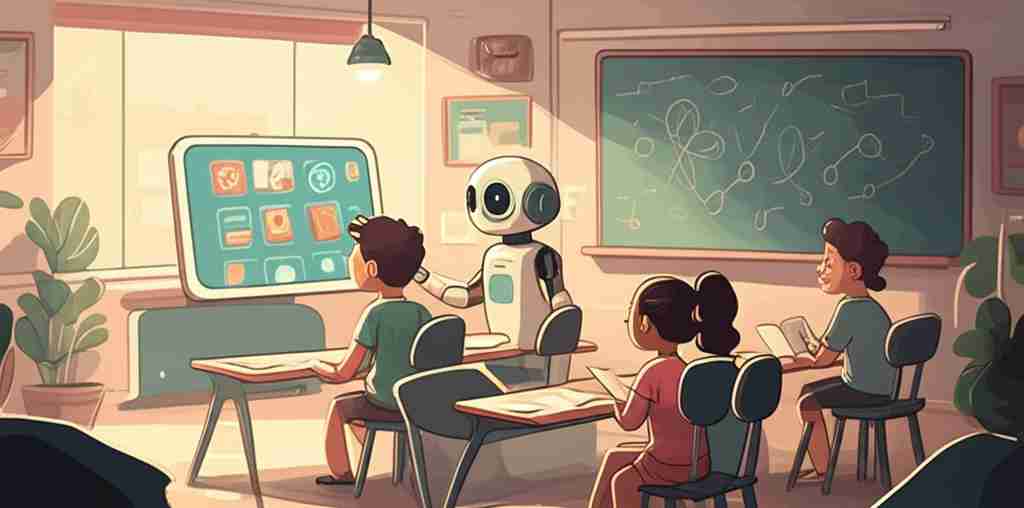


Designing for Humans: Why Most Enterprise Adoptions of AI Fail
Introduction: The Hidden Crisis of AI Adoption in Enterprise
Artificial Intelligence (AI) promises an era of unprecedented efficiency, innovation, and productivity gains for enterprises. Yet, while executives eagerly invest in AI-driven transformation, most large-scale AI deployments return disappointing results. Cost overruns, failed implementations, and unclear outcomes are all too common. Behind this silent crisis is a frequently overlooked reality: most enterprise adoptions of AI fail not because of technical issues, but due to human factors and organizational dynamics. In this post, we’ll uncover why so many attempts to bring AI into the workplace disappoint — and what leaders can do to finally close the gap between ambition and outcome.
The Human Factor: Unpacking the Real Reason AI Projects Fail
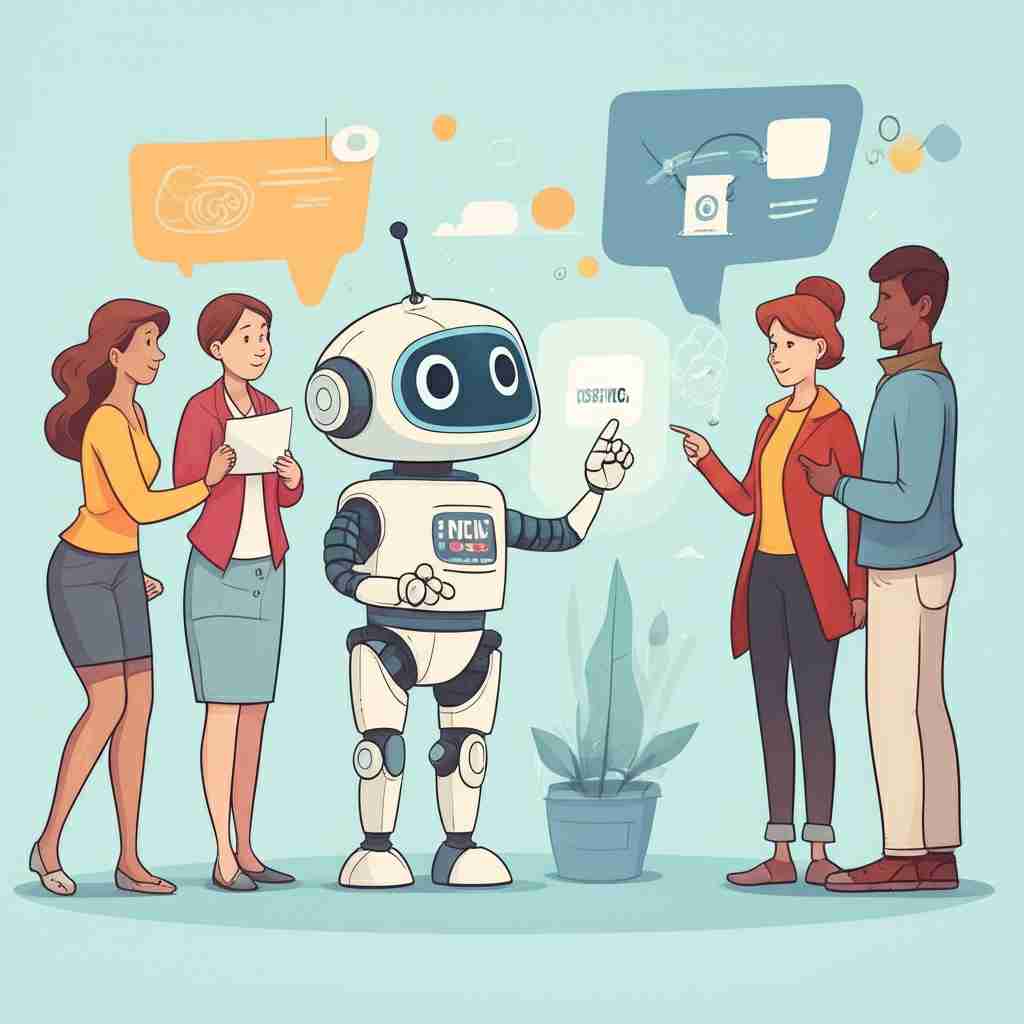
Despite rapid advances in AI technology, businesses frequently stumble when integrating AI into day-to-day operations — and technology alone isn’t to blame. The core challenge, as experienced by AI experts charged with rolling out these projects, is the complex interplay between executives and rank-and-file employees.
- Executives push for AI adoption to boost growth, efficiency, and profitability.
- Employees, meanwhile, are understandably concerned about job security and relevance.
This “asymmetry of goals” creates a hidden resistance to change. Executives may see AI-powered automation as a ticket to a more competitive business. Employees may perceive the same change as a direct threat to their livelihoods.
The result? Subject matter experts who are essential for documenting company processes and collaborating on automation projects become, at best, reluctantly helpful — or at worst, uncooperative. AI experts recount common experiences where employees intentionally or unintentionally delay or derail implementations, withholding key information or providing incomplete data. This friction can cause AI projects to take longer, cost more, and ultimately underdeliver.
Research Insights: What the Evidence Shows about Enterprise AI Failures
A study conducted at CIO.com shines a spotlight on this issue. The study, titled Designing for humans: Why most enterprise adoptions of AI fail, found that the root cause for project failures in enterprise AI initiatives is not solely technological complexity, but a fundamental neglect of human-centered design and change management. Organizations that treat AI as a mere tool—without thoughtfully integrating the perspectives, incentives, and workflows of human users—see a much higher rate of project failure. The study urges enterprises to embrace a people-first approach, recognizing that AI systems must be designed with a deep understanding of both executive goals and employee motivations to succeed. You can read the study in detail here.
Bridging the Gap: Actionable Strategies for Human-Centric AI Success
So how can organizations overcome the human barriers to AI adoption and maximize the return on their investment? Drawing from both expert testimony and the study above, several practical strategies emerge.
- Dedicate an Internal Project Manager: Assign a responsible person within your organization whose primary role, for the duration of the project, is to shepherd the AI implementation across the finish line. This isn’t a “side project,” but a core responsibility, ensuring focus and follow-through.
- Incentivize Employee Participation: Align incentives by offering bonuses, promotions, or other tangible rewards to employees directly involved in the transition. If employees see personal benefit in the project’s success, they’re far more likely to collaborate.
- Build Internal AI Automation Teams: Consider repurposing employees with strong process knowledge into dedicated AI automation groups. These internal champions are uniquely positioned to guide AI solutions that fit real workflows, and their relationships foster trust and acceptance among their peers.
- Repurpose Rather Than Replace: Instead of viewing AI adoption as a headcount-reduction exercise, focus on reallocating staff whose jobs are changed by automation into areas that boost customer value—such as relationship building or high-touch support roles.
- Transparent Communication: Foster open dialogue about project objectives, potential impacts, and opportunities for growth. When employees understand the vision, the “why” behind the transformation, and the opportunities AI presents for their professional development, resistance gives way to participation.
Ultimately, these strategies ensure that executives, technical teams, and employees are all pulling in the same direction, greatly enhancing the odds of successful AI deployment.
Preparing for the Future: Skills, Mindset, and Opportunity
As AI evolves, moving from workflows that augment employee tasks to fully autonomous agents capable of handling entire job functions, organizational roles will shift profoundly. While some job displacement is inevitable, new opportunities will also emerge — but only for those prepared to adapt.
- Subject Matter Experts: Those who combine domain expertise with AI fluency will become invaluable. Learning AI tools and concepts now puts you ahead of the curve; tomorrow’s enterprise needs employees who can supervise, implement, and maintain these technologies.
- Entrepreneurs and Innovators: Understanding unsolved business problems in your sector positions you to develop specialized AI solutions and even build new companies around them as vertical adoption expands.
- Lifelong Learners: The AI landscape is new and evolving. Even AI implementation professionals are learning as they go. Early movers who invest time in mastering these tools will enjoy increased job security and career growth—even as traditional job boundaries blur.
In summary, securing your place in an AI-augmented workforce means embracing the changes, learning new skills, and seeking ways to be part of the solution, not the problem.
Conclusion: Planning for AI Success Starts—and Ends—with People
It’s easy to think of AI adoption as a technical challenge. But as experience, expert testimony, and research make clear, the greatest risks—and rewards—are human. Enterprises that treat people as partners in transformation, align incentives, and build internal expertise will overcome resistance and unlock the full potential of AI. Conversely, organizations that ignore the human dimension risk wasted investment, internal friction, and failed promise. The lesson is clear: design for humans first, and only then will AI become a lasting competitive advantage.
About Us
At AI Automation Adelaide, we believe successful AI solutions start with people. Our team specializes in creating smart, practical automation tools designed around the needs of your staff and business goals. By focusing on human-centered AI, we help local enterprises overcome adoption challenges, improve workflows, and ensure everyone benefits from technology-driven change.