Estimated reading time: 6 minutes
Key Takeaways
- E-commerce AI agents enhance customer interaction and streamline operations.
- Integration leads to improved customer satisfaction and operational efficiencies.
- 24/7 support helps in addressing customer inquiries instantly.
- Businesses can realize significant growth and retention through AI integration.
In today’s rapidly evolving retail landscape, the concept of an e-commerce AI agent has emerged as a game-changer. These AI-driven tools leverage advanced technology to reshape how businesses interact with customers and streamline operations. AI agents, particularly in e-commerce, enable 24/7 customer support, personalized interactions, and efficient order management, significantly enhancing the shopping experience.
E-commerce companies are increasingly turning to artificial intelligence to improve their retail experiences. This technology is transforming how customers shop and interact, providing seamless and personalized processes. As businesses adopt AI, they can expect enhanced customer engagement and streamlined operations.
What is an E-commerce AI Agent?
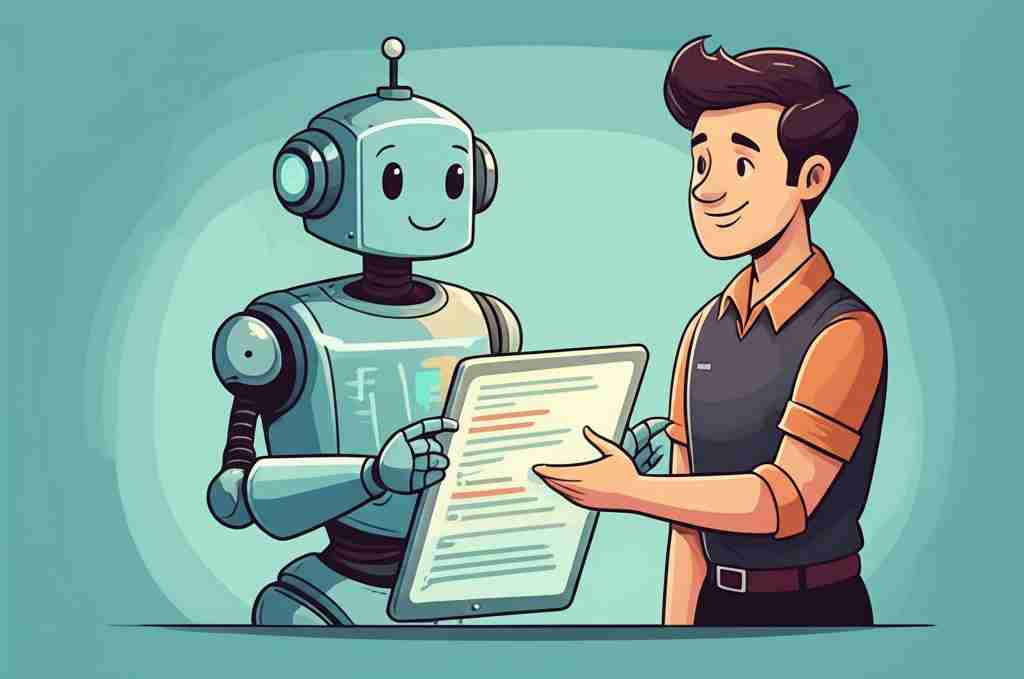
E-commerce AI agents are intelligent software programs designed to assist businesses in their online retail processes. These agents can chat with customers, provide recommendations, and even manage orders, all while operating around the clock to ensure no customer query goes unanswered.
Different Types of AI Agents
Several types of AI agents are particularly common in e-commerce, each serving a unique function:
- Chatbots: Interactive programs that can answer customer questions, such as the Shopify AI chatbot, respond to inquiries, and assist with various tasks.
- Virtual Assistants: These are more advanced agents capable of handling complex queries, booking appointments, and providing tailored recommendations based on customer data.
By utilizing these different types of AI agents, businesses can enhance their customer service capabilities and operational efficiency.
Benefits of Using E-commerce AI Agents
The integration of e-commerce AI agents brings numerous benefits to retailers. Here are some notable advantages:
Enhancing Customer Experience Through Personalized Interactions
AI agents can analyze customer data to better understand unique preferences. This allows them to tailor recommendations and provide a more personalized shopping experience, making customers feel valued.
- Custom Recommendations: Suggesting products based on past purchases.
- Targeted Offers: Providing discounts tailored to individual customer behavior.
Reducing Response Time for Customer Inquiries
Unlike human agents, e-commerce AI agents can respond to customer inquiries almost instantly. This immediate engagement helps prevent customer frustration and improves satisfaction rates.
- Quick Answers: Handling FAQs in seconds.
- Real-time Assistance: Supporting customers 24/7 without delays.
24/7 Availability and Reliability for Order Inquiries
One of the standout features of AI agents is their ability to provide round-the-clock support. Customers can receive assistance at any time, making it easier to manage inquiries about orders or product availability.
- Continuous Support: Customers are never left waiting for help.
- Consistent Replies: Ensuring customers always receive accurate and timely information.
Impact on Overall Sales and Retention Rates
Studies show that integrating AI into e-commerce can lead to higher sales and improved customer retention. Companies leveraging AI tools often experience noteworthy increases in customer loyalty and revenue.
- Increased Sales: Data-driven recommendations lead to more sales opportunities.
- Higher Retention Rates: Personalized interactions foster repeat business source.
Automate Order Inquiries with AI
Automating order-related questions through AI is a significant step for e-commerce businesses. AI can effectively manage inquiries regarding shipping, delivery status, and order modifications.
AI agents can manage the entire order query process, providing customers with updates and status reports. This reduces the workload for human agents and ensures quicker responses for customers.
Case Studies or Examples of Successful Automation
Many businesses have successfully implemented AI for order inquiries:
- Zappos: Utilized AI chatbots to manage customer orders, reducing response time by 50%.
- Sephora: Integrated AI to provide real-time order updates and track customer preferences, improving overall satisfaction rates.
Key Metrics to Evaluate the Effectiveness of Automated Order Inquiries
To gauge the success of AI in managing order inquiries, businesses should track:
- Response Time: How quickly queries are addressed.
- Customer Satisfaction: Feedback scores and resolution rates.
- Volume of Inquiries Handled: The percentage of inquiries effectively managed by AI.
Integrating Shopify AI Chatbot
Shopify is known for its robust capabilities in implementing AI chatbots. These tools can accelerate customer interactions and provide consistent support.
Overview of Shopify’s Capabilities in Implementing AI Chatbots
Shopify offers a user-friendly platform for businesses to integrate AI chatbots, enabling merchants to automate customer service and increase efficiency.
Step-by-Step Guide to Set Up a Shopify AI Chatbot
1. Choose a Chatbot App: Start by selecting a compatible chatbot app through the Shopify App Store.
2. Customize Your Chatbot: Tailor the chatbot’s responses and personality to align with your brand.
3. Integrate with Store: Connect the chatbot with your product catalog for accurate order inquiries.
4. Test Functionality: Ensure the chatbot responds effectively to common customer queries before going live.
Tips for Tailoring Chatbot Interactions to Improve Customer Satisfaction
- Personalize Responses: Use customer names and previous purchase history in interactions.
- Incorporate Warm Greetings: Start chats with friendly messages to make interactions feel welcome.
- Monitor and Adjust: Regularly review chatbot performance data to make necessary adjustments.
The Role of Retail Customer AI in Enhancing Engagement
AI in retail extends beyond chatbots, focusing on understanding and predicting customer needs.
How AI Understands and Anticipates Customer Needs
AI algorithms can analyze vast amounts of data to discern patterns in customer behavior, allowing businesses to anticipate future needs and desires. This capability empowers retailers to implement proactive strategies.
Strategies for Leveraging Retail Customer AI for Targeted Marketing
Businesses can use AI insights for several powerful strategies, including:
- Segmentation: Grouping customers based on behavioral patterns for targeted marketing campaigns.
- Predictive Analytics: Identifying potential future purchases based on past behavior.
Case Studies of Retail Businesses Successfully Using Customer AI
- Amazon: Utilizes predictive analytics to recommend products, significantly boosting sales.
- Target: Implements AI to customize marketing campaigns based on consumer insights, resulting in higher engagement rates.
Challenges and Considerations
While integrating e-commerce AI agents offers many benefits, challenges also arise during implementation.
Common Obstacles Faced When Implementing E-commerce AI Agents
Organizations may encounter various barriers, such as:
- Integration Issues: Difficulty incorporating AI tools with existing systems.
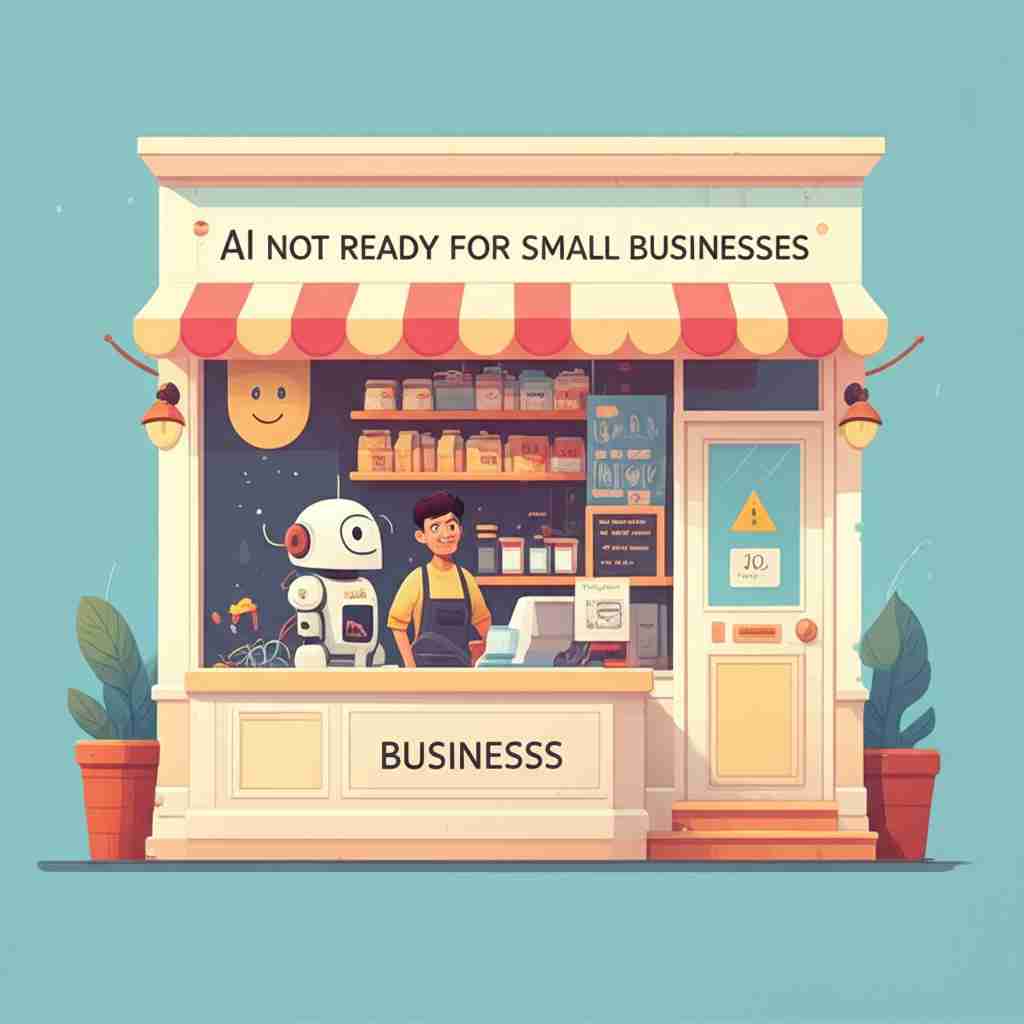
- Initial Costs: High upfront investments for AI technology can deter smaller businesses.
- Resistance from Staff: Employees may feel unsure about AI taking over customer interactions.
Importance of Human Oversight in AI Interactions
Despite the advantages of AI, human oversight remains crucial. AI cannot fully replace the emotional intelligence and nuanced understanding a human agent provides.
Addressing Customer Privacy and Data Security Concerns
Businesses must prioritize data security and address customer concerns. Compliance with regulations like GDPR is essential for building trust.
Future Trends in E-commerce AI
The future of e-commerce AI agents holds exciting possibilities. Here are some trends to watch:
Predictions on the Evolution of E-commerce AI Agents
We expect to see continued advancements in natural language processing and machine learning, leading to even more sophisticated AI capabilities.
The Role of Emerging Technologies in Shaping Customer Interactions
Technologies such as Augmented Reality (AR) and Virtual Reality (VR) are on the rise. They aim to enhance the shopping experience by offering immersive environments.
Preparing for a Future Where AI and Humans Collaborate
As AI agents evolve, businesses must find a balance between automation and the human touch. This collaboration will enable more effective customer interactions.
Conclusion
The rise of e-commerce AI agents represents a significant transformation in the retail sector. By integrating these smart tools, businesses can enhance customer engagement, improve operational efficiencies, and ultimately boost their bottom line. Companies that embrace AI solutions will find themselves better equipped to meet evolving consumer demands and provide stellar customer experiences.
To stay ahead in this fast-paced environment, businesses are encouraged to adopt AI technologies and optimize operations for improved customer satisfaction. For more insights on how AI can impact e-commerce, explore our internal resources for deeper knowledge on the subject.
FAQ Section
- What Are the Most Common Uses of an E-commerce AI Agent?
E-commerce AI agents are commonly used for automating customer inquiries, providing product recommendations, and managing order tracking.
- How Can I Measure the ROI of Implementing an AI Chatbot?
You can measure the ROI of your AI chatbot by tracking metrics like response time reduction, customer satisfaction rates, and engagement rates.
- Are There Any Industries That Benefit More from AI-Powered Solutions?
Retail, healthcare, and finance are examples of industries that greatly benefit from AI solutions, leveraging automation for enhanced operational efficiencies.
For further exploration of AI in e-commerce, check out our other blog posts on AI Automation Brisbane and CRM Integration with AI Agents.
About Us
At AI Automation Adelaide, we specialise in empowering local businesses through intelligent automation and AI-driven solutions designed specifically for your unique challenges. Our services are tailored to streamline your operations, enhance customer engagement, and drive growth without overwhelming your resources.
We offer innovative AI Agent solutions such as Product Assistant Chatbots, which instantly handle customer inquiries about product details, pricing, availability, and shipping—significantly reducing repetitive tasks for your team. Our AI agents seamlessly integrate with your existing website and e-commerce platforms, providing 24/7 responsive customer service that enhances user satisfaction and boosts your online sales.
Additionally, our automation solutions extend to business-critical processes including DocuSign Agreement Workflows, Training Booking Email Systems, and Lead Qualification Bots. Each solution is customised to your specific business operations, ensuring accuracy, efficiency, and seamless integration with your current technology stack.
Our Customer Follow-Up Automation ensures timely, personalised communication, helping you nurture leads effectively and retain existing customers. Meanwhile, our intelligent FAQ & Information Hub Agents offer instant, precise answers to common queries, allowing your human team to focus on high-value tasks.
Partnering with AI Automation Brisbane means you’re investing in smart solutions that simplify your workflows, eliminate costly errors, and create remarkable customer experiences. Whether you operate in e-commerce, hospitality, real estate, trades, professional services, healthcare, or education, our customised AI and automation services are designed to propel your business forward.
Experience firsthand how intelligent automation can enhance your efficiency, save time, and amplify profitability. Let AI Automation Brisbane unlock your business’s true potential—making your operations smarter, faster, and more profitable.