

CES 2025: A Comprehensive Look at AI Digital Assistants and Their Security Risks | Trend Micro (GB)
Artificial intelligence (AI) continues to revolutionize the way we live, work, and interact with the digital world. Nowhere is this transformation more evident than with the rapid evolution of AI digital assistants and agents. As we look ahead to CES 2025, it’s clear these technologies are not only acquiring new capabilities but also introducing fresh opportunities—and challenges—related to cybersecurity and privacy. In this blog post, we delve into the latest advancements, real-world applications, potential security risks, and guidance for staying protected in an increasingly AI-driven society.
1. The Rise of AI Digital Assistants: Beyond Chatbots and Voice Commands
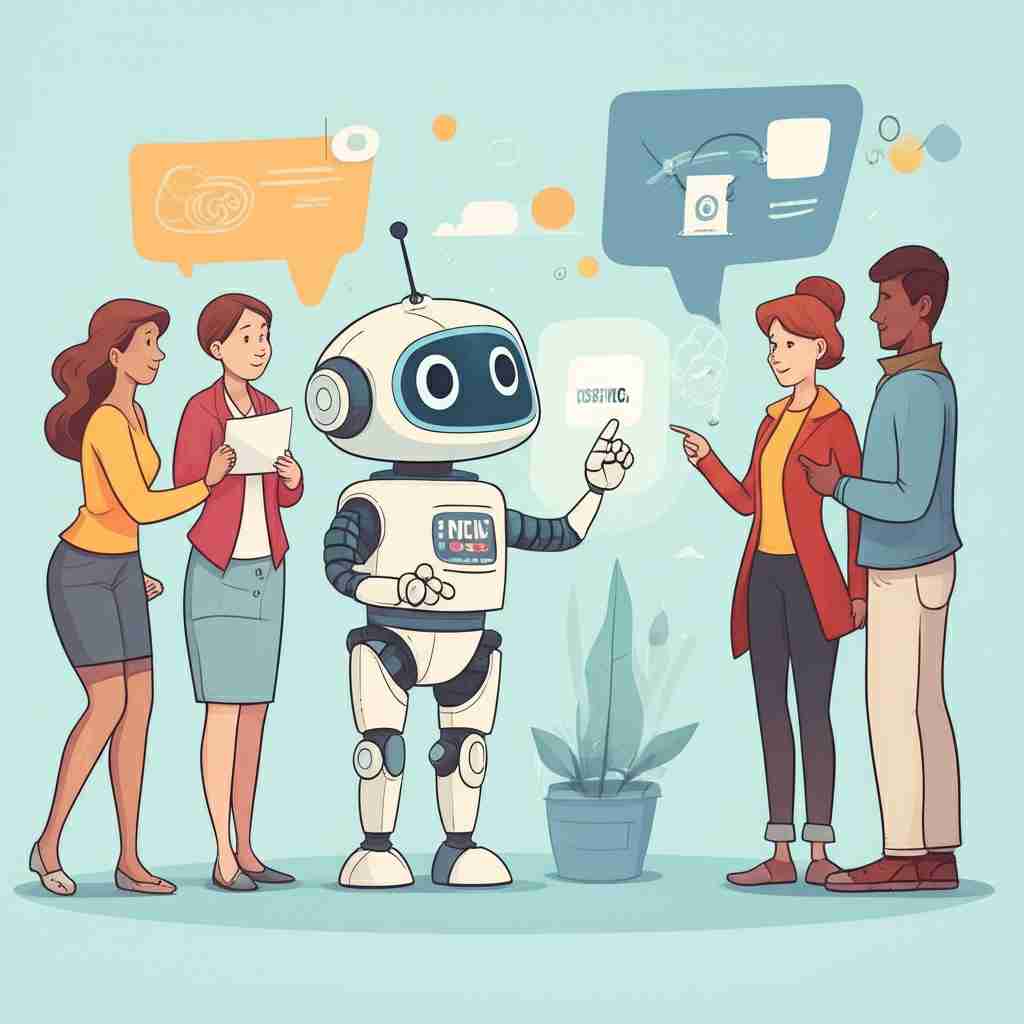
AI digital assistants have swiftly moved beyond simple voice commands and scripted responses. Today’s AI agents are intelligent programs capable of:
- Understanding user goals and intentions
- Planning and executing actions autonomously
- Interacting with software, data, and even hardware
Unlike traditional chatbots, modern AI assistants utilize advanced language models—like those behind ChatGPT—to not only provide information but also make real-time decisions and solve complex problems. For example, an AI agent can simulate professional tasks: aiding researchers with data analysis, simulating biological cells for scientists, or testing autonomous car software for engineers. These agents thus become not just helpers, but true collaborators capable of operating in intricate, real-world scenarios.
2. AI Agents at CES 2025: Applications and Innovations
At CES 2025, the spotlight is on the vast and growing applications of AI digital assistants. Key areas of innovation highlighted include:
- Healthcare: Assisting doctors and researchers by streamlining analysis and enabling breakthrough simulations.
- Engineering: Simulating environments for robust testing of sensors, autonomous vehicles, and more.
- Home Automation: Expanding smart home management with predictive, adaptive behaviors.
- Collaboration and Training: Creating multi-agent systems to simulate human or biological behavior, aiding in education, team training, and research.
The integration of AI agents into everyday life is poised to make them indispensable digital companions. Their ability to automate mundane tasks, streamline work, and support complex decision-making is only increasing as technology evolves.
3. Security Risks Associated with Advanced AI Digital Assistants
As with all technological advancements, the rise of powerful AI digital assistants brings new security challenges. These assistants, while convenient and efficient, introduce novel risks that must be carefully managed:
- Unauthorized Access: If compromised, AI agents with control over smart devices could be used for malicious intent, from unlocking doors to accessing sensitive data.
- Data Privacy: AI agents process large volumes of personal data. Insufficient safeguards may lead to data breaches or misuse by unauthorized parties.
- Malicious Manipulation: Advanced language models could be tricked into executing harmful commands or spreading misinformation.
- Vulnerabilities in Multi-Agent Systems: As AI agents collaborate, vulnerabilities in one could cascade through interconnected systems.
Staying ahead of these risks requires a multi-layered approach to security, encompassing robust authentication, monitoring, and ongoing vulnerability assessments.
4. Evidence-Based Insights: Research on AI Security at CES 2025
A study conducted at Trend Micro (GB) and detailed in CES 2025: A Comprehensive Look at AI Digital Assistants and Their Security Risks | Trend Micro (GB) provides critical insights into the security landscape surrounding AI digital assistants. The study, authored by Vincenzo Ciancaglini, Salvatore Gariuolo, Stephen Hilt, and Rainer Vosseler, found that as AI agents become increasingly embedded in various sectors—from healthcare to engineering—the attack surface expands significantly. The research highlights how the very features that make AI agents valuable, such as autonomous decision-making and seamless integration with connected devices, also create new vectors for cyber threats. It underscores the importance of proactively analyzing agent behaviors, implementing rigorous authentication, and fostering greater transparency in data handling. These findings reinforce the urgent need for robust security frameworks as society relies more heavily on AI-driven technologies.
5. Best Practices: Securing Your AI Digital Assistant
While developers and policymakers work on building secure AI systems, users and organizations can take practical steps to mitigate risks. Consider these actionable best practices:
- Regularly Update and Patch Devices: Ensure your digital assistant’s firmware and connected applications are up to date.
- Employ Strong Authentication: Use robust, multifactor authentication for all accounts connected to your AI agent.
- Review Permissions: Limit your assistant’s access to only the necessary devices and data.
- Monitor for Suspicious Behavior: Set up alerts or logs that track unexpected activity by your digital assistant.
- Educate All Users: Provide guidance to household members or employees on the safe and responsible use of AI assistants.
Organizations, in particular, should conduct regular security assessments and collaborate with cybersecurity experts to stay ahead of emerging threats.
Conclusion: Navigating the Future of AI Digital Assistants
The advancements showcased at CES 2025 represent just the beginning of a new era in AI-powered digital assistance. As these systems become more capable and widespread, it is vital to balance innovation with proactive security. Armed with knowledge from leading research and adhering to best practices, individuals and organizations can unlock the full potential of AI assistants while minimizing associated risks. Vigilance, transparency, and continuous learning will be essential as we move forward into an undoubtedly intelligent and highly interconnected future.
About Us
At AI Automation Adelaide, we empower local businesses to benefit from AI digital assistants while prioritizing security and privacy. Our tailored automation solutions help streamline operations and safeguard your sensitive data—ensuring you enjoy the advantages of smart, reliable AI with peace of mind as technologies evolve.