
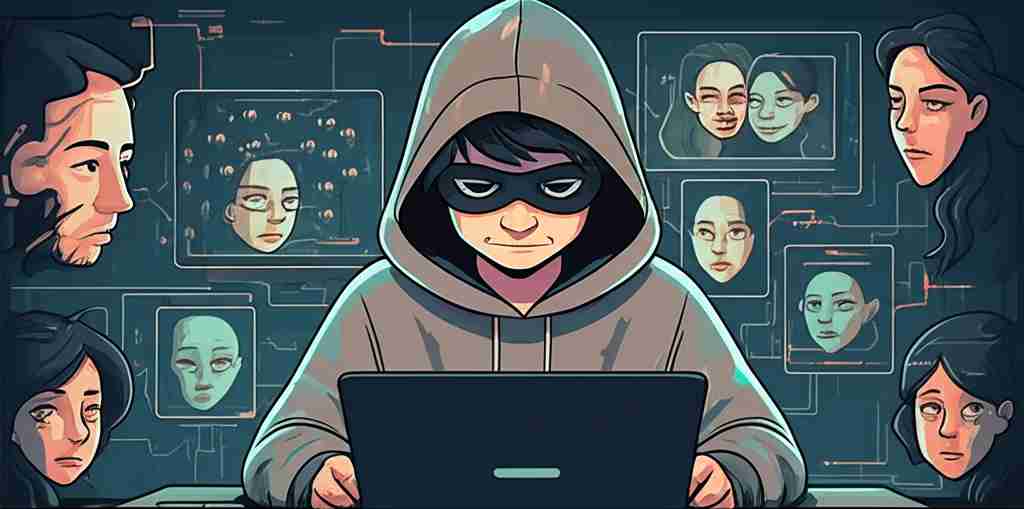
From Deepfakes to Malware: AI’s Expanding Role in Cyber Attacks
Artificial Intelligence (AI) is revolutionizing every aspect of our digital lives—from streamlining personal assistants to transforming industries. Yet, with its rapid advancement, AI also opens new frontiers for cyber criminals. Sophisticated malware, believable deepfakes, and ever-more-plausible phishing attacks are now possible on a scale and at a speed never before imagined. In this post, we explore how AI’s power is being weaponized, mapping the landscape of threats from deepfakes to malware, and providing practical steps to stay safe in an increasingly hostile cyber world.
The Dual Nature of AI: Tool for Progress, Weapon for Attack
AI, much like a knife, is neutral by design—its value lies in how we use it. It can create delicious dishes or be misused to cause harm. As AI technologies proliferate, cyber criminals and hackers are finding clever ways to exploit these tools for illegal gains, making it imperative to recognize both their positive and negative uses.
- Data Dependency: The accuracy and reliability of AI outputs depend on the quality of the data they receive. Poor or biased training data often leads to faulty results, whether in culinary recommendations or crime detection.
- Expansion into Cybercrime: Criminals are leveraging AI in increasingly advanced ways, from generating convincing phishing emails to orchestrating large-scale ransomware attacks and creating lifelike digital forgeries (deepfakes).
- A Billion-Dollar Industry: Cybercrime is a global concern, with damages estimated to exceed $10 trillion per year—making it among the world’s largest economic entities if considered a country.
Deepfakes and AI-Powered Social Engineering: The New Face of Deception
The sophistication and accessibility of AI-generated content are blurring the lines between reality and fabrication. Deepfakes, which are hyper-realistic digital recreations of faces, voices, and entire personas, have quickly become a favorite tool for digital deception.
- Voice & Face Cloning: Today, just 15–30 seconds of audio or a single high-resolution photo is enough for AI to convincingly clone a person’s voice or likeness. This enables scammers to impersonate family members, business executives, or public officials, manipulating victims into transferring money or disclosing sensitive information.
- Political & Financial Manipulation: Deepfake videos have been used for political disinformation—such as fake announcements calling for troops to surrender—and to influence stock markets by simulating resignation statements from CEOs of major corporations.
- Emotional & Psychological Exploitation: Scams leveraging cloned voices (“Hi Grandma, I’m in trouble, send money!”) capitalize on trust and urgency, while AI-forged romance profiles lure victims emotionally and financially.
The widespread use of deepfakes challenges the reliability of audio-visual evidence, undermining trust in everything from courtrooms to corporate communications.
Ransomware, Malware, and the Industrialization of Cybercrime
Cybercrime has evolved from isolated attacks to a global, trillion-dollar industry powered by AI. Ransomware—malicious software that encrypts files and demands payment for their release—exemplifies this transformation.
- Professionalization of Attacks: Today’s cybercriminal groups offer customer support, technical help, and even recruitment drives. Their business models mimic legitimate enterprises, complete with branding, affiliate programs, and negotiation desks.
- Attack Diversity: Ransom demands can range from $2,000 for individuals to $240 million for large organizations. The real cost is even larger when accounting for lost productivity, reputational damage, and regulatory penalties.
- Automation & Scale: With AI, attackers can automate the process—harvesting millions of email addresses, customizing phishing campaigns, and deploying malware faster and more effectively than ever.
What sets modern cybercrime apart is not just scale, but sophistication. AI is enabling criminals with little to no programming knowledge to launch attacks that once required significant technical expertise.
Research published in From Deepfakes to Malware: AI’s Expanding Role in Cyber Attacks found that the integration of AI technologies has dramatically increased both the frequency and effectiveness of cyber attacks. According to this study, AI-generated content and code are enabling adversaries to bypass traditional security measures, automate the creation of malware, and orchestrate personalized phishing attacks at scale. The findings underscore the urgent need for robust cyber defense strategies that can keep pace with AI-enabled threats, highlighting that organizations and individuals alike must adapt to this rapidly evolving landscape.
The Four Levels of AI-Enabled Cyber Attacks
Based on expert psychological and cybercrime analysis, AI-fueled attacks can be classified into four escalating “levels of darkness”:
- Reverse Psychology Exploitation: Cybercriminals use clever prompts to coax AI tools like ChatGPT into providing forbidden information (e.g., malware code) by posing as security researchers instead of hackers.
- Prompt “Jailbreaking”: Specialized prompts—some running to several pages—are shared on forums and dark web sites to override ethical safeguards in mainstream AI models. Notoriously, prompts like “DAN” (“Do Anything Now”) can trick AI into violating its own policies.
- Custom Criminal AI Models: Hackers are now developing their own AI models, free of restrictions, to generate sophisticated malware code and craft tailored phishing attacks at scale.
- Autonomous Attack Automation: The most advanced (and speculative) level is the full automation of cyber attacks, where AI not only executes but also plans complex campaigns, identifies targets, and continually refines tactics—reducing or even eliminating human involvement.
This intensifying “arms race” between attackers and defenders means traditional advice—like looking for poor grammar in phishing emails—may soon be obsolete.
Staying Ahead: Human Firewalls and Practical Defense
While AI empowers attackers, the majority of cyber incidents still result from human error. Many attacks succeed because people fall for phishing links, open suspicious attachments, or trust incoming calls from plausible voices. With AI making these tricks more convincing than ever, organizations and individuals must rethink their defenses.
- Critical Thinking: Always verify sender identities—whether in email, text, or voice. Set up family or workplace codewords and security questions for emergencies.
- Multi-Factor Authentication (MFA): Use MFA to add an extra layer of verification that AI-generated impersonation can’t steal.
- Employee & Family Awareness: Regularly educate yourself and others about the latest scams, especially as AI-generated content continues to improve in quality and realism.
- Technical Precautions: Never plug unknown USB drives into devices, avoid unsecured public WiFi without a VPN, and double-check URLs before clicking.
- Digital Evidence Skepticism: As deepfakes become more prevalent, approach all forms of media with a healthy suspicion—especially if used as sole evidence for important decisions.
Most importantly, recognize that the ultimate firewall is human vigilance. Technology alone cannot stop all threats; security is as much psychological and educational as it is technological.
Conclusion: Seizing AI’s Opportunity While Guarding Against Its Threats
AI represents the greatest technological opportunity of our generation, but also its gravest security challenge. As attackers refine their use of deepfakes, malware, and automated campaigns, the onus falls on all of us—not just IT professionals—to stay alert, informed, and adaptable. By maintaining skepticism, fostering education, and building both technical and human defenses, we can navigate the dark side of AI while harnessing its transformative promise for good. Stay aware, stay ahead, and make cybersecurity a collective priority in the AI-driven future.
About Us
At AI Automation Adelaide, we help businesses unlock the benefits of AI while staying informed about today’s evolving digital risks. As AI transforms how we all work, we’re dedicated to building automation solutions that boost efficiency and support secure operations. We understand the importance of staying safe in a rapidly changing landscape and are here to make AI both accessible and trustworthy for every business.