
What Your Small Business Needs to Know About Salesforce AI Agents
Artificial intelligence (AI) is reshaping how businesses operate, offering powerful automation, cost savings, and always-on customer engagement. However, the world of AI agents—including Salesforce’s new offerings—can seem daunting, especially to small and medium-sized businesses (SMBs) that lack technical resources. Fortunately, modern AI agent solutions are increasingly accessible, flexible, and tailored to the needs of smaller organizations. This blog post explains what Salesforce AI agents are, how they work, their benefits for SMBs, practical deployment tips, and how to measure the return on investment (ROI) of these cutting-edge tools.
1. Demystifying Salesforce AI Agents for SMBs
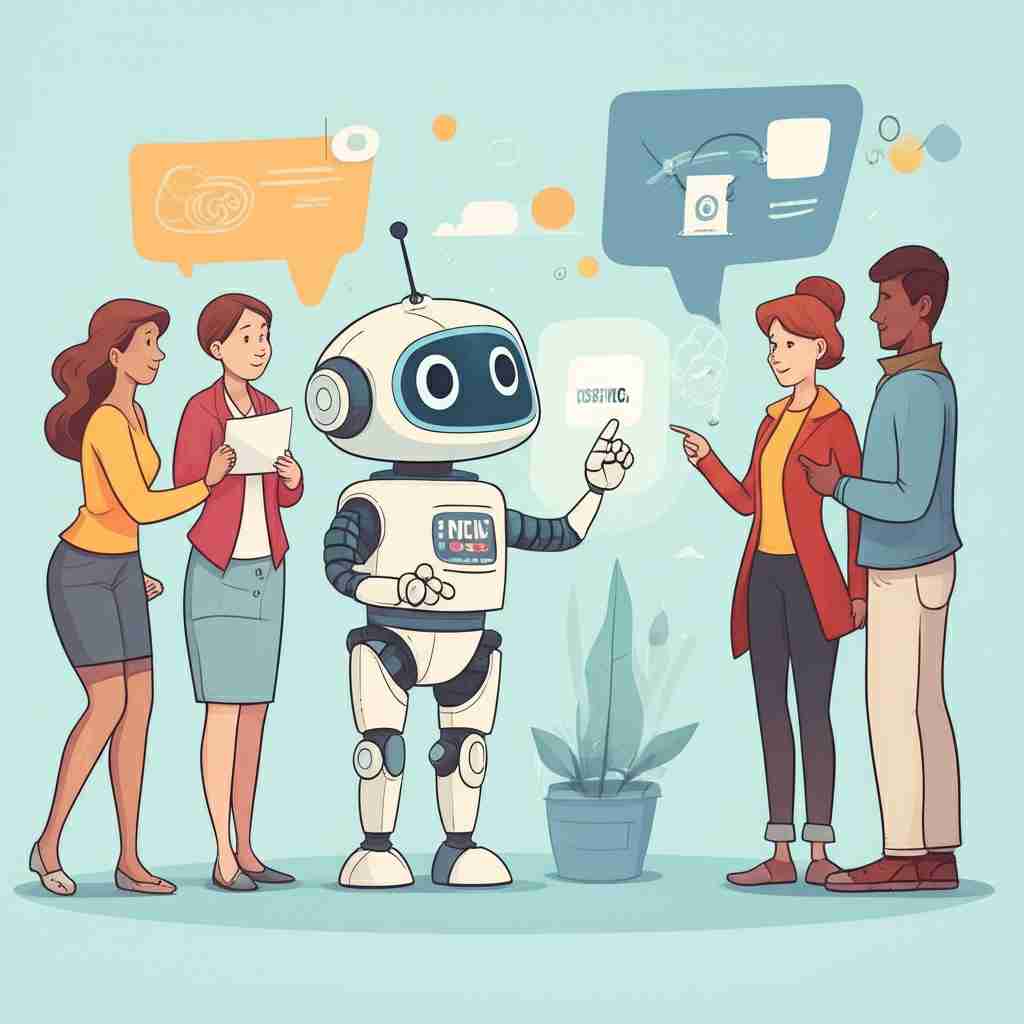
Salesforce AI agents are autonomous software assistants designed to replicate and enhance human customer service, sales, and administrative tasks. Thanks to recent advances in voice, text, and digital avatar technologies, these agents can interact with customers in ways that are almost indistinguishable from real human counterparts. They automate a wide range of repetitive, labor-intensive processes across multiple communication channels, including:
- Voice (phone calls)—Answering inquiries, booking appointments, or handling order requests 24/7.
- Email—Managing queries, confirmations, support tickets, or marketing follow-ups.
- Text/SMS—Sending reminders, confirming reservations, or initiating promotional campaigns.
- Digital avatars—Offering interactive support on websites or in mobile apps.
Unlike script-based chatbots, modern AI agents leverage large language models (LLMs) such as GPT-4, Claude, and Meta Llama to converse naturally, recall past interactions (“memory”), and learn from experience. By combining deep learning with speech recognition and real-time translation (currently across 15 languages), they create a seamless, human-like experience for customers.
For example, a hotel can use a voice AI agent as the first line of interaction for bookings and concierge services. The AI can answer calls, check reservation status, handle upgrades, and even take in-room dining orders—all while adapting its tone or style to fit the brand’s personality, from hip and youthful to formal and reserved.
2. The Architecture: What Powers Modern AI Agents?
To appreciate the power of Salesforce AI agents, let’s break down their typical architecture. Modern platforms—including those showcased by Powered by (as discussed by Andrew Westbecker)—employ a multi-layered approach:
- Language Model Foundation: At the core is a state-of-the-art LLM, chosen dynamically depending on needs such as low latency or high conversational quality.
- Prompt & Training Layer: This layer tailors the agent’s behavior with customized instructions and workflow modules based on real customer interactions.
- Knowledge Base Access: Using Retrieval-Augmented Generation (RAG) techniques, agents pull from company-specific articles, spreadsheets, FAQs, and other documents in real-time.
- Natural Language Processing: Advanced tools handle text-to-speech, speech-to-text, translation, and multilingual support for fluid communication.
- Action Automation Layer: This enables the agent to complete tasks—like booking appointments, updating CRM records, or sending follow-up emails—across communication modes.
This modular architecture allows AI agents to automate complex workflows, maintain context across channels (for example, continuing a phone conversation via email or text), and even adapt their persona to align with your brand.
3. Real-World Use Cases and Practical Advantages for SMBs
AI agents are not just for global enterprises; they offer practical, business-changing value for organizations of any size. Consider these small business scenarios:
- Hospitality: Hotels automate reservations, upgrades, concierge, and in-room service, freeing staff for higher-level customer engagement.
- Auto Dealerships: A dealership with thousands of CRM leads can run personalized marketing campaigns via calls, emails, and texts. AI agents handle outbound communications, schedule appointments, and even ensure compliance with privacy regulations (e.g., the TCPA, which prohibits unsolicited calls).
- Healthcare: Clinics automate appointment scheduling, insurance checks, and notification delivery, ensuring HIPAA compliance while reducing administrative burdens.
- Professional Services: Law firms, accounting practices, and real estate agencies use AI agents to prequalify leads, answer common questions, and send reminders—all with zero added headcount.
These AI agents do so much more than simple personalization. They learn from each interaction, build a memory of previous conversations, and “stack” interactions across voice, email, and text for a unified, context-rich customer journey. This means your customers get a seamless, responsive, and tailor-made experience every time.
Authority Building Paragraph:
Research published in What your small business needs to know about Salesforce AI agents highlights that the latest AI agent platforms, such as Salesforce’s Agentforce, are specifically designed to put the power of autonomous business assistants into the hands of SMBs. The study found that these tools enable smaller organizations to streamline operations, improve customer engagement, and remain competitive with larger firms—without requiring deep technical expertise or significant investment. By integrating AI agents into everyday workflows, small businesses can automate time-consuming tasks, deliver consistently high-quality support, and unlock new growth opportunities.
4. How to Deploy Salesforce AI Agents in Your Small Business
One of the most significant advances in recent years is the emergence of turnkey AI agent solutions. This means small business owners don’t need to hire AI engineers or build systems from scratch. Instead, vendors (including those building on Salesforce platforms) will:
- Design and build a custom agent based on your unique workflows, brand voice, and target modes (voice, email, text, avatar).
- Integrate the agent with your existing CRM and communication systems.
- Configure the agent to tap into your organizational knowledge base and FAQs.
- Train the AI using real call recordings, email threads, or chat logs to capture the “best practices” from your team.
- Ensure regulatory compliance (HIPAA, TCPA, privacy laws, etc.) upon deployment.
The process is highly collaborative but minimizes your technical burden. After initial scoping and data gathering, most AI agent projects can be rolled out quickly, with ongoing support to refine responses and workflows as your business evolves.
Practical advice for SMBs getting started includes:
- Start small: Identify one or two high-impact use cases (e.g., call handling or appointment scheduling).
- Provide as much information as possible—workflows, FAQs, documents, and recorded calls help the AI become truly effective.
- Focus on customer experience: Collaborate on dialogue style, tone, and cultural nuances to match your brand.
- Allow for iteration: Use feedback from customers and staff to continuously improve agent performance.
5. Measuring ROI and Unlocking the True Value of AI Agents
For small businesses, ROI is paramount. Here are the primary metrics used to evaluate the success of your AI agent initiatives:
- Productivity Gains: AI agents operate 24/7 without breaks, handling double or triple the volume human staff can manage in traditional business hours.
- Cost Savings: Routine tasks (answering the same questions, booking appointments, sending reminders) are automated, allowing staff to focus on higher-value work or areas with staff shortfalls.
- Revenue Growth: Outbound AI modules can contact hundreds or thousands of leads instantly, driving upsells, cross-sells, and attendance for special events or launches.
- Enhanced Customer Experience: Quick, context-aware, and personalized attention leads to higher satisfaction and loyalty, which in turn fuels growth.
Measuring these returns is similar to evaluating human staff performance, only with the added benefits of scale and consistency. As your AI agent interacts more with customers, its increasing knowledge and adaptability drive even better results—a virtuous cycle unmatched by traditional automation tools.
Conclusion: Bringing the Power of AI Agents to Your SMB
Salesforce AI agents have moved from the realm of science fiction into an accessible, practical reality for businesses of every size. With advanced LLMs, multimodal communication channels, and vendor-supported turnkey solutions, small businesses can now automate customer engagement, streamline operations, and compete on a level playing field with enterprise giants. By understanding how these agents work, tailoring them to your workflows and brand, and measuring clear ROI, you can position your business for exceptional efficiency, growth, and customer satisfaction—all while staying comfortably within budget and compliance boundaries. The future of SMB success is here, and it’s powered by AI agents.
About Us
At AI Automation Adelaide, we make AI simple and practical for local small businesses. Our automation solutions help you deliver better customer service, streamline operations, and unlock productivity with modern AI agents. Whether you’re exploring Salesforce AI tools or want to enhance daily workflows, we’re here to ensure your technology works smoothly and grows with your business needs.